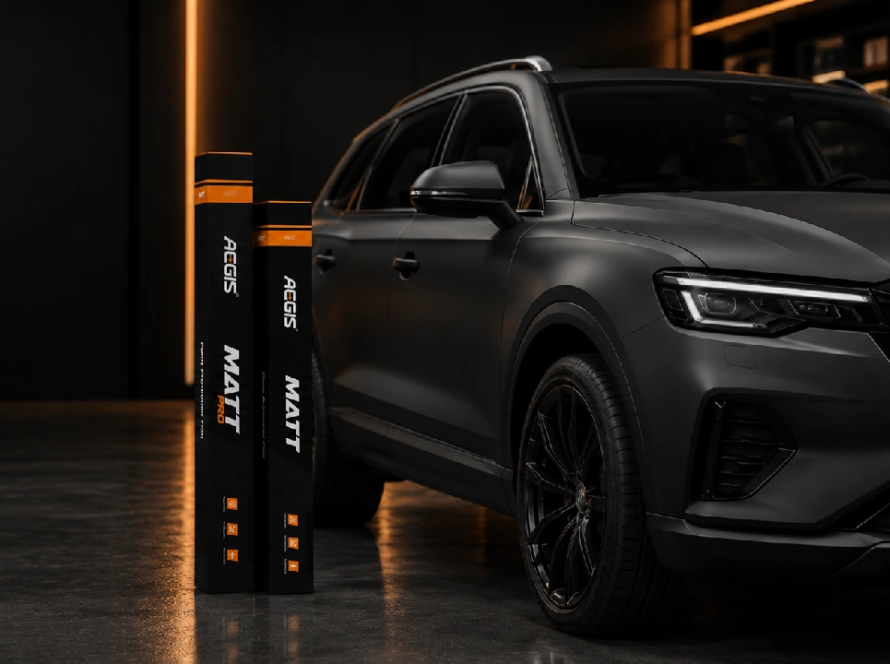
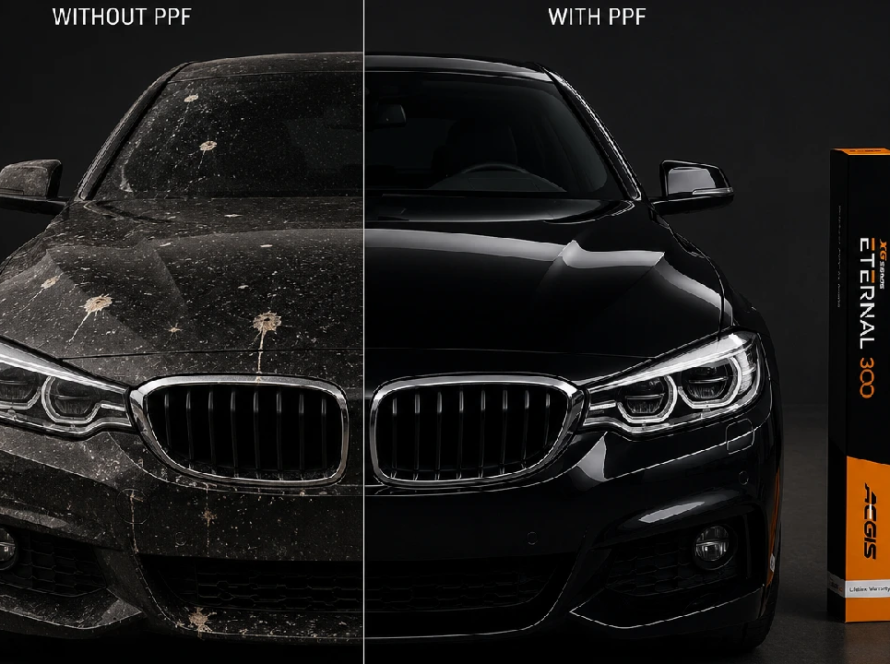
You spent good money getting a PPF coating for your car. The installer did a clean job. The film looks invisible. The paint underneath is protected. Job done, right?
Not quite.
What happens after installation matters just as much as the installation itself. Most PPF damage doesn’t come from road debris or stone chips. It comes from car owners unknowingly using the wrong products during a routine wash or a weekend detailing session. A bottle was grabbed off the shelf. A product used out of habit. A shortcut taken in good faith. That’s all it takes to cloud, peel or permanently stain a film that was supposed to last a decade.
Car paint protection is only as good as the care that follows. This blog tells you exactly what not to use on PPF, what not to do with paint protection film, and why they cause the damage they do. No vague warnings. No generic advice. Just clear, specific guidance that actually helps you protect what you’ve already invested in.
Table of Contents
Wrong Product Can Ruin PPF
Most car owners treat their PPF-coated car the same way they treated it before. Same shampoo. Same wax. Same glass cleaner on the windshield that occasionally drifts onto the panel below. That’s exactly where the problem starts.
Paint protection film is made from Thermoplastic Polyurethane, or TPU. This material is engineered to be flexible, optically clear and self-healing. It’s tough against stone chips and road debris. But certain chemical compounds that break down its topcoat, weaken its adhesive layer or cloud its clarity over repeated contact.
The damage rarely shows up immediately. It builds over weeks and months. By the time you notice yellowing, edge lifting or a hazy film surface, the damage is already done. This is why knowing what not to use matters more than knowing what to use.
Indian conditions make this worse. Hard water deposits, intense summer heat, pollution and frequent bird droppings mean your car protection film is already working harder than it would in milder climates. The wrong product added on top of that stress can accelerate damage significantly.
Here are 5 products you should never use on a PPF-Coated car
Solvent or Petroleum-based Waxes
Walk into any car accessories store in India and you’ll find shelves lined with wax products. Many of them, especially the older paste waxes and budget spray waxes, contain petroleum distillates or solvents as active ingredients. On bare paint, they work fine. On paint protection film, they are a slow disaster.
Solvents break down the topcoat of the PPF over time. The self-healing layer, the part of the film that allows minor scratches to disappear with heat, degrades with repeated exposure to solvents. Once that layer is compromised, the film stops healing. Scratches stay. Swirl marks accumulate. The surface takes on a dull, hazy appearance that no amount of cleaning can fix. Petroleum distillates also seep into the edges and seams of the film, weakening the adhesive bond between the PPF and the paint.
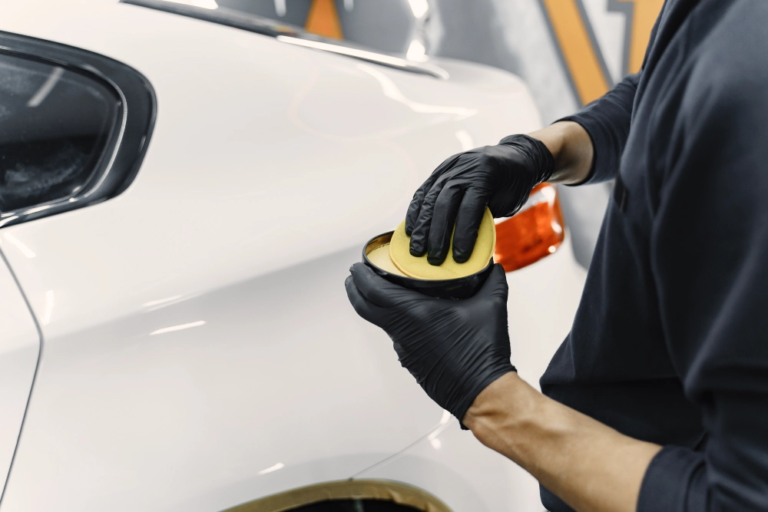
Before picking up any wax or sealant for your car with PPF, check the label. Look for the words ‘naphtha’, ‘mineral spirits’, ‘petroleum distillates’ or ‘solvent’. If any of these appear, put them back on the shelf. If you have installed a good-quality glossy or clear PPF, then you won’t really need waxes or sealants, as you have the best possible car paint protection on.
Ammonia-based Glass Cleaners
Glass cleaners seem harmless. They’re used on windows, not paint. Ammonia is one of the most aggressive chemicals for TPU-based films. It damages the topcoat, stripping the hydrophobic properties that make the film water-repellent and easy to clean. It also degrades the clarity of the film. Over repeated exposure, the surface becomes slightly cloudy in a way that looks like scratching but is actually chemical etching.
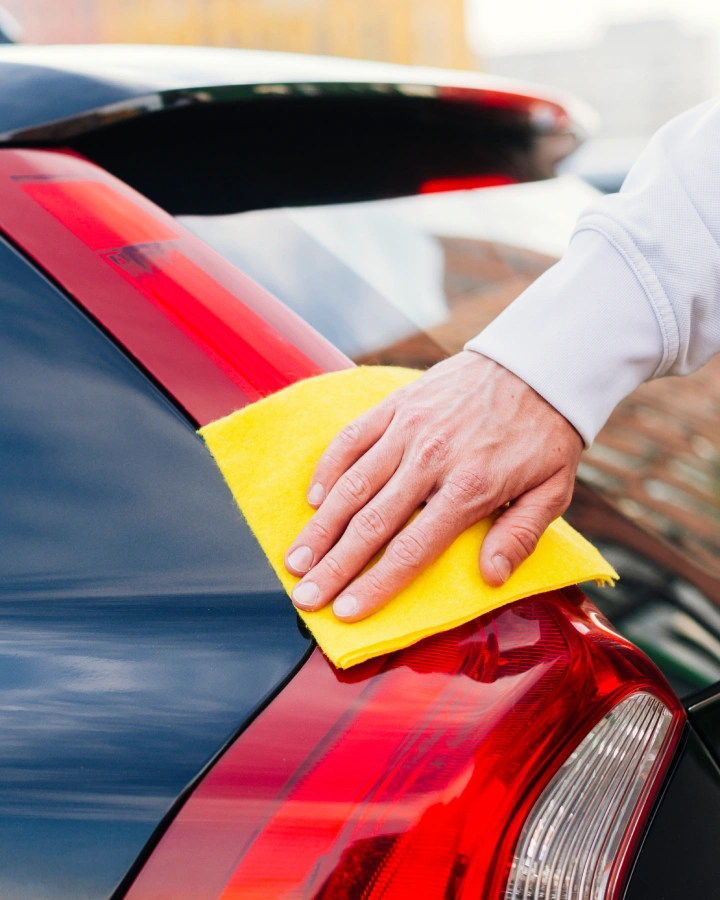
Many popular glass cleaners available in India, including ones sold at petrol stations and supermarkets, contain ammonia as the primary cleaning agent. They are not formulated with automotive protective films in mind. Use dedicated automotive glass cleaners that are explicitly labelled as ammonia-free.
Abrasive Polishes or Compounds
Some car owners notice light swirl marks or water spotting on their PPF and reach for a car polish to fix it. That instinct makes sense for bare paint. But, on car paint protection film, it causes more harm than the original problem.
Abrasive polishes work by removing a thin layer of the surface to eliminate imperfections. On clear coat paint, this is a controlled process done carefully. On PPF, the surface being removed is the self-healing topcoat, the very layer that makes the film worth having. Once that topcoat is thinned or removed, the film cannot heal itself anymore. The protection you paid for is reduced.
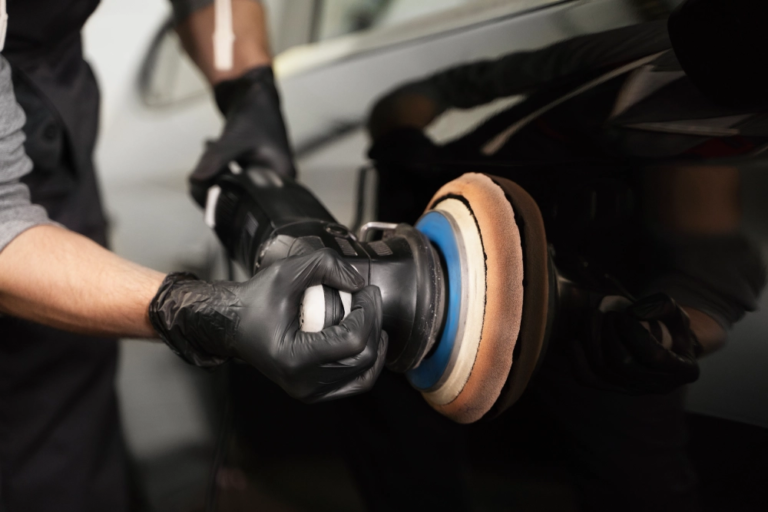
For swirl marks and light scratches, let the self-healing technology do its job. Park the car in direct sunlight, the heat activates the topcoat, and the marks fade on their own.
Silicone-based Sprays
When you spray a tyre shine product, fine particles drift onto adjacent painted panels and film surfaces. Silicone is extremely difficult to remove once it bonds with a surface. On PPF, it leaves an oily residue that cannot be cleaned off with regular car shampoo. The residue attracts dust aggressively, making the car look dirty within hours of washing.
Over time, silicone contamination can affect the film’s hydrophobic properties. The water beading that makes a well-maintained PPF look so satisfying starts to break down. Cleaning becomes harder. The film’s surface behaviour changes in ways that cannot easily be reversed. Always get your cars detailed by experts like CarzSpa, who apply it with an applicator directly onto the tyre, never by spraying into the wheel arch.
Automatic Car Wash Brushes
Automatic brush car washes use chemical solutions that are not PPF-safe, alongside aggressive mechanical brushes. The combination is one of the most damaging things you can regularly expose your film to.
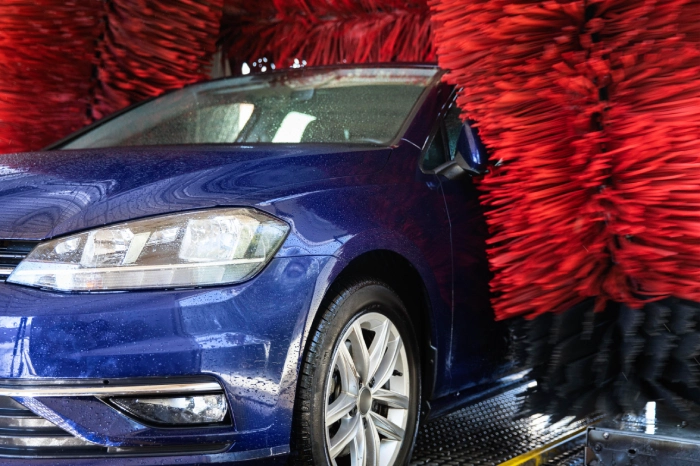
The brushes in these machines carry debris from hundreds of previous cars. When they come in contact with your film, they create micro-scratches across the surface. The self-healing layer cannot always recover from this level of abrasion. Secondly, high-pressure nozzles in these machines, especially when directed at the edges and corners of the film, can cause edge lifting with repeated use. Plus, the chemical solutions contain alkaline degreasers that degrade the adhesive layer.
Hand wash your car using the two-bucket method. Use a pH-neutral car shampoo or a PPF safe car wash with a dedicated soft microfibre wash mitt.
How to Wash a PPF-Coated Car the Right Way
Now that you know what to avoid, here is what proper PPF wash care looks like in practice.
- Wait at least 7 days after installation before washing the car. The adhesive needs time to fully cure. Washing too early disturbs the bond and can cause edge lifting.
- Always hand-wash. Fill two buckets: one with clean water for rinsing your mitt, one with pH-neutral car shampoo mixed in water. This two-bucket method keeps dirt from being dragged back across the film surface.
- Use a soft microfibre wash mitt. Never a sponge, never a hard brush. Work from top to bottom, rinsing the mitt in the clean bucket after each panel. Rinse the car thoroughly before drying.
- Dry with a clean microfibre drying towel using a blotting motion, not a dragging one. If you have access to a car blower, even better. Standing water, especially in Indian cities with hard water, leaves mineral deposits that etch into the film if left to dry naturally.
- Remove bird droppings and tree sap immediately. These are acidic and will stain the film surface if left for more than a few hours. Use a wet microfibre cloth to soften and lift the contaminant gently; never scrape.
This is the complete picture of how to wash PPF cars correctly. It takes about 20 to 30 minutes and protects a film that was designed to last 5 to 10 years.
Conclusion
PPF is not a set-and-forget solution. The film does the hard work of protecting your paint from the outside world. Your job is to make sure the products you use do not undo that work from the inside.
Most paint protection film damage is avoidable. It happens because car owners use familiar products out of habit, without checking whether those products are safe for the film. Avoiding them costs nothing. Replacing damaged PPF coating costs significantly more than the original installation.
Always check whether a product is PPF-safe before it touches your car. When in doubt, ask your installer. And if someone else is washing your car, make sure they know it has a car protection film on it before they start.
If you’re looking for PPF-safe car wash products, get the specially formulated PPF Wash from the CarzSpa near you or simply get their PPF-safe car washing service. Your film protects your paint. Protect your film.