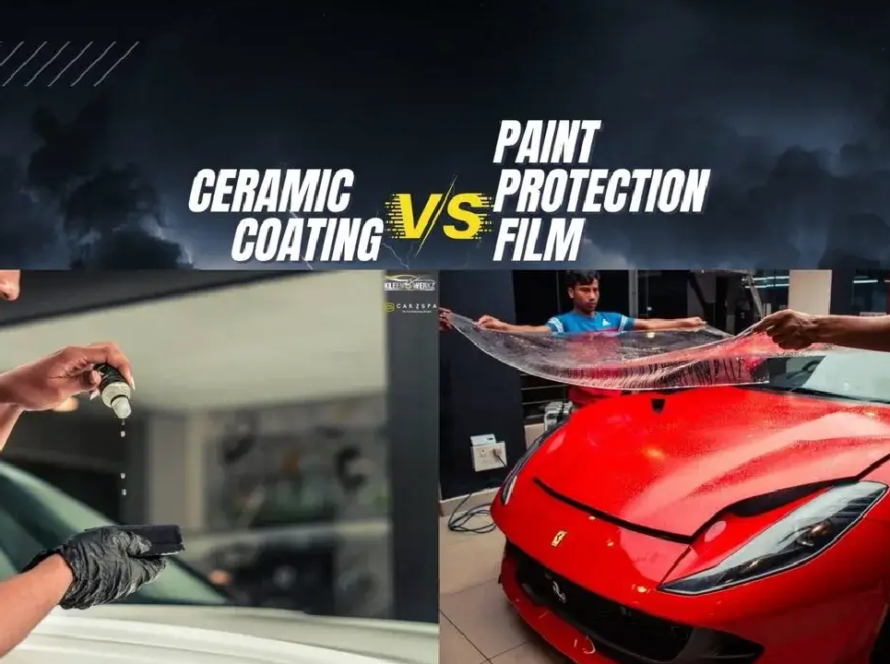

While today’s automotive paints deliver excellent colour depth and showroom gloss, they are not designed to remain untouched under daily Indian usage without protection. Environmental exposure, washing methods, traffic density and climate all contribute to gradual but irreversible surface damage.
For cars like the Hyundai Creta, which are often owned long-term and driven across varied conditions, paint degradation does not happen overnight. It happens quietly. Micro-scratches build up. Contaminants etch into the surface. Gloss slowly reduces. And by the time most owners notice, the factory finish has already been compromised.
This is not poor care. It is real-world usage.
Understanding how paint degrades and how that degradation can be prevented, is what separates reactive correction from proactive protection. Car paint protection film exists precisely for this reason and for many Indian SUV owners today, a high-quality car PPF has become essential rather than optional.
Table of Contents
- Why Creta Paint Gets Damaged Even When You Drive Carefully
- What Are The Parts of Your Car at Most Risk?
- How Aegis Paint Protection Films Protect Your Creta
- Full Coverage vs Partial Coverage: Which is Best for Creta?
- How To Choose The Right PPF for Your Creta?
- Understanding the Aegis Clear PPF Range
- Maintenance Tips After Getting Your PPF Done
- Conclusion
- Frequently Asked Questions
Why Creta Paint Gets Damaged Even When You Drive Carefully
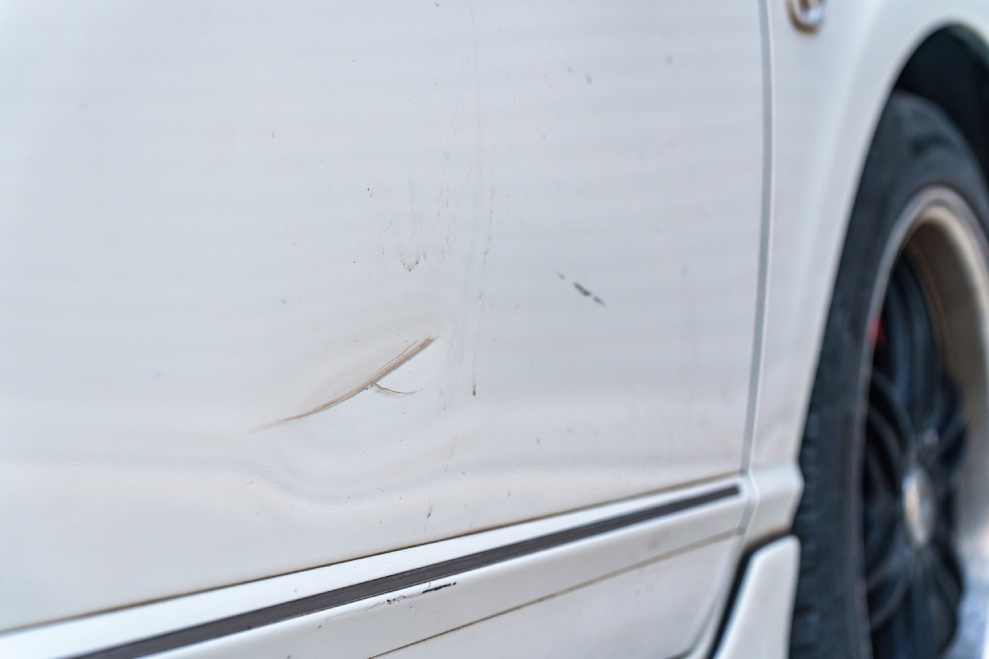
Most people think paint damage only happens if you are a “rash” driver. That is a myth. Most damage happens while your car is parked or while you are driving perfectly fine on the highway.
1. Road Debris and Stone Chips
Indian roads are full of loose gravel and construction debris. When you drive at highway speeds, even a tiny pebble becomes a weapon. It strikes your front bumper or bonnet with enough force to fracture the clear coat.
These are not just cosmetic marks. A stone chip breaks the entire paint system. It leaves a “crater” where moisture and pollutants can enter. Over time, these spots can discolour. Once that clear coat is broken, no amount of polishing can fix it. The paint is gone.
2. Bird Droppings and Insects
We often park our cars under trees to find shade. This is a trap. Bird droppings are highly acidic. In the 40-degree Indian sun, these droppings “bake” into your paint within minutes. Insects leave behind proteins and enzymes that do the same thing.
Most owners try to wipe these off with a dry tissue or a bit of water. This is a mistake. You end up spreading the acid and scratching the paint at the same time. This damage is chemical, not just mechanical. To fix it, a detailer has to remove layers of your precious clear coat.
3. The "Swirl Mark" Nightmare
This is the most common form of damage in India. We love our daily car cleaners. But using a shared bucket and a dirty cloth is like washing your car with sandpaper.
Each pass drags trapped grit across the surface. These create thousands of microscopic, circular scratches. Under sunlight, these look like “cobwebs” or swirl marks. This is why even a six-month-old Creta can look dull and aged.
4. Hard Water & Mineral Bonding
In many Indian cities, the water is “hard.” It contains high levels of calcium and magnesium. When water dries on your Creta, these minerals bond with the clear coat. They form white, crusty rings called water spots. Aggressive scrubbing to remove these spots only causes more damage.
What Are The Parts of Your Car at Most Risk?
Every car has high-risk areas. On the Creta, certain panels are magnets for damage.
- The Front Bumper and Grille: This is the “shield” of your car. It takes 90% of the impact from road debris and insects.
- The Bonnet: Because it is large and flat, it is the primary target for stone chips and bird droppings.
- The ORVMs (Side Mirrors): These stick out. They are the first things to get clipped by bikes in tight traffic.
- The Door Handles and Cups: Think about how many times you touch these. Fingernails and rings create deep scratches in the “cups” behind the handles.
- The Boot Lip: Every time you load groceries or suitcases, you risk scratching the top of the rear bumper.
- The Piano Black Accents: The Creta uses beautiful gloss black trim on the pillars. These are incredibly soft. They scratch if you just look at them the wrong way.
Key Aegis innovations include self-healing nano-based topcoats that make minor scratches disappear with heat, anti-yellowing polycarbonate technology, and hydrophobic surfaces exceeding 140-degree water contact angles. Exclusively available at CarzSpa‘s 125+ studios nationwide, Aegis installation follows rigorous protocols with certified technicians trained specifically for precision application. With warranties reaching lifetime coverage, Aegis positions itself as India’s premier long-term paint protection investment.
How Aegis Paint Protection Films Protect Your Creta
Now that we understand the “enemy,” we need to discuss the “armour.” Aegis car PPF doesn’t just sit on top of the car; it fundamentally changes how your Creta interacts with the world.
1. The Principle of the Sacrificial Layer
The core philosophy of Aegis paint protection film is simple: It takes the hit so your paint doesn’t have to. The film acts as a sacrificial barrier. If a stone hits your bonnet, it hits the 185-micron-thick TPU layer of Aegis Armor. The film absorbs the energy and prevents the impact from reaching the brittle clear coat underneath.
2. Energy Dispersion and Impact Absorption
Unlike paint, which is hard and brittle, Aegis car PPF is made of Thermoplastic Polyurethane (TPU). This material is elastic. When a projectile strikes the film, the TPU stretches and disperses the force across a wider surface area. This prevents the “shattering” effect that causes stone chips in factory paint.
3. The Science of Self-Healing
Aegis car PPF features a specialised top coat with “memory.” When the film is scratched (by a wash mitt or a rogue branch), the molecules are pushed aside but not removed. When heat is applied, either through a heat gun or simply by parking your Creta in the afternoon Indian sun, the molecules return to their original, flat state. The scratch literally disappears before your eyes.
4. Chemical and UV Insulation
Aegis films are engineered to be “inert.” This means they do not react with the uric acid in bird droppings or the minerals in hard water. The film acts as an airtight seal, preventing oxygen and UV rays from reaching the pigment. This stops the fading and oxidation that usually makes older cars look milky or dull.
Full Coverage vs Partial Coverage: Which is Best for Creta?
One of the most common questions Creta owners ask is: “Should I wrap the whole car or just the front?”
The Case for Partial Coverage
If you are on a budget, you might consider the “High-Impact Zone” package. This usually covers:
- The front bumper and grille surrounds.
- The full bonnet.
- The front fenders.
- The ORVMs (Side Mirrors).
- The door edges and handle cups.
This protects your Creta from 80% of road debris. However, there is a catch. Over time, the unprotected panels (like the roof and rear doors) will age differently than the protected ones. You might notice a slight difference in gloss or texture.
The Case for Full Coverage
For a premium SUV like the Creta, full coverage is the gold standard. Why? Because in India, the damage does not just come from the front.
- It comes from people leaning against your rear doors in parking lots.
- It comes from shopping trolleys at the mall hitting your rear bumper.
- It comes from the “daily car wash guy” scratching your boot lid.
Full coverage ensures your entire car ages at the same rate. It provides total peace of mind. When you decide to sell your Creta in five years, the buyer will find 100% original, pristine paint. That alone can add nearly a lakh to your resale value.
How To Choose The Right PPF for Your Creta?
If a shop offers you a “cheap” PPF, be very careful. Low-quality films use PVC or Aromatic TPU. In the Indian climate, these films turn yellow within months. They can also become brittle and crack. When you try to remove them, they can actually pull the paint off your car.
When choosing the best paint protection film in India for your Creta, look at these three factors:
1. The Base Material
Always insist on Aliphatic TPU. This is a UV-stable material. It is designed to stay clear for years. It is the heart of the Aegis range.
2. Thickness (Microns)
A good PPF should be between 160 and 210 microns thick. Anything thinner will not provide enough cushion against stones.
3. The Adhesive Quality
The glue matters. Aegis paint protection films use pressure-sensitive adhesives that bond firmly but remain removable. This ensures that even after five years, you can peel the film off to reveal perfect paint with zero residue.
This is why Aegis is increasingly recognised among the best PPF brands in India by detailers and long-term car owners alike.
Understanding the Aegis Clear PPF Range
We have designed four distinct products to meet the needs of every Creta owner. Whether you are a high-mileage highway cruiser or a city commuter, there is an Aegis film for you.
1. Aegis SPX
This is for the owner who wants the absolute best.
- Material: Premium Aliphatic TPU.
- Thickness: 210 Microns (Our thickest, toughest film).
- Warranty: 7 Years.
- The Benefit: It offers a staggering 27 MPa Tensile Strength. This is built for heavy highway use. It has the highest gloss levels and the best stain resistance in the industry.
2. Aegis Armor
This is the perfect balance for most Creta owners.
- Material: Aliphatic TPU.
- Thickness: 185 Microns.
- Warranty: 5 Years.
- The Benefit: With 300% Elongation, it fits the Creta’s muscular wheel arches and sharp character lines perfectly. It provides elite protection with a deep, “wet look” finish.
3. Aegis Core
For the value-conscious owner who wants TPU quality without the flagship price.
- Material: Standard TPU.
- Thickness: 180 Microns.
- Warranty: 3 Years.
- The Benefit: It offers great self-healing and gloss. It is ideal for city-driven Cretas that face minor scratches rather than heavy stone chips.
Maintenance Tips After Getting Your PPF Done
Getting Aegis car PPF is the first step. Caring for it is the second. While PPF is tough, a little care goes a long way.
- The 48-Hour Rule: Do not wash your car for at least 48 hours after installation. The adhesive needs time to cure and bond perfectly to the panels.
- Avoid High-Pressure Water near Edges: When at a car wash, tell the operator to keep the pressure wand at least 12 inches away from the edges of the film.
- Use the Two-Bucket Method: If you wash the car yourself, use two buckets. One for soapy water and one to rinse your mitt. This prevents dirt from being rubbed back into the film.
- Clean Bird Droppings Immediately: Even with PPF, acidic waste should not sit for days. Wipe it off with a wet microfibre cloth as soon as you see it.
- Let the Sun Do the Work: If you see light swirls, park your Creta in the direct sunlight for an hour. The heat will activate the self-healing properties of your Aegis film.
Conclusion
Think of Aegis PPF as an investment, not an expense. A single repaint of a door or bumper at a Hyundai service centre can cost thousands and your car loses its “original factory paint” status, which significantly hurts resale value.
By the time you go to sell your Creta in 5 years, a protected car will look exactly as it did on day one. You won’t have to haggle over scratches or faded panels.
More importantly, it changes your relationship with your car. You stop worrying about where you park. You stop cringing when it rains. You simply enjoy the drive.
Frequently Asked Questions
1. Is PPF really worth it for a car under 20 Lakhs like the Creta?
Absolutely. The cost of maintaining “original” paint far outweighs the cost of the film over 5 years. For the Creta, which is a high-resale-value SUV, keeping the paint pristine is the best way to protect your financial investment.
2. Does PPF turn yellow on white cars?
Lower-grade PVC or Aromatic TPU films will turn yellow. However, Aegis SPX and Armor use Aliphatic TPU with UV inhibitors, which are specifically designed to remain crystal clear even in the harsh Indian sun.
3. Can PPF damage the factory paint during removal?
No. As long as the film is applied to original factory paint, Aegis’s pressure-sensitive adhesive is designed to be removed cleanly. It leaves no residue and will not pull the paint off.
4. How is PPF better than Ceramic Coating?
Ceramic coating is a chemical layer that helps with gloss and cleaning. It cannot stop a flying stone or a deep scratch. PPF is a physical barrier. If you want real protection against physical damage, PPF is the only answer.
5. Can I install PPF myself?
We strongly advise against it. PPF installation is a high-skill job that requires a dust-free environment, precision cutting and expert heat-gun usage. A bad DIY job can lead to bubbles, peeling and visible seams.