
For a lot of car owners, installing a sun control film, often called a window film, is mainly about the look. The darker the glass, the more “premium” or “VIP” the car appears.
It added privacy and made the car look powerful on the road. However, this was never the real purpose of window films. In fact, this kind of film with low VLT is not even legal.
The best sun control films in India are not meant to look extremely dark. Many high-quality films are clear. They do not give the glass a heavy black tint at all.
The real job of a sun protection film for car is very different. It is designed to reduce heat, block harmful UV rays and improve driving comfort.
The good news is that you do not need an illegal dark tint to stay cool in your car. Today, there are sun control films that comply with Indian regulations while still protecting you from harsh sunlight and extreme heat.
Table of Contents
- What Are Sun Control Window Films?
- Core Functions of Sun Control Films
- Which Sun Control Films Are Legal in India?
- How Legal Sun Control Films Improve Driving Comfort
- Common Myths About Sun Control Films in India
- How to Choose the Right Sun Control Film for Your Car
- Which Is the Best Sun Control Film in India?
- Conclusion
- FAQs
What Are Sun Control Window Films?
Sun protection films are thin sheets made using specialised materials. These films are installed on the inner surface of a vehicle’s glass. Once applied properly, they become almost invisible while still performing several protective functions.
Unlike cheap tint films, modern sun protection films are built using multiple layers. Each layer performs a specific task. Some layers filter infrared heat, some block ultraviolet radiation, while others maintain optical clarity so the driver can see clearly.
The main purpose of these films is to control the way sunlight enters the vehicle.
Sunlight may look harmless but it actually contains different types of radiation. When sunlight enters through glass, it carries heat, glare and ultraviolet energy. Sun control films are designed to filter these components before they reach the car interior.
Because of this, a good film can significantly improve comfort inside the vehicle.
Core Functions of Sun Control Films
Sun protection films for cars are especially useful in India because of the extreme heat. It prevents the sun’s rays to a major extent and keeps your cabin cool.
Here are the core functions of sun protection films.
1. Heat Rejection
The biggest benefit is heat reduction.
Advanced sun protection films for car blocks a large portion of infrared radiation, which is responsible for most of the heat entering the vehicle.
Benefits include:
- Cooler cabin temperature
- Less heat buildup when parked
- Reduced discomfort during summer
2. Glare Reduction
Harsh sunlight can cause severe glare while driving.
Window film for car reduce glare from:
- Afternoon sunlight
- Reflections from the road
- Light bouncing from other vehicles
This helps drivers maintain clearer vision and reduce eye strain.
3. UV Protection
Ultraviolet rays are invisible but harmful.
High-quality sun control films can block up to 99% of UV radiation, which helps protect:
- Your skin
- Car interiors
Upholstery and dashboards
4. Optical Clarity
Cheap tint films often reduce visibility, especially at night.
Modern sun control films maintain:
- Clear daytime visibility
- Safe night driving
- Natural glass transparency
Which Sun Control Films Are Legal in India?
The legality of window films is a topic that confuses many car owners in India.
Legality depends on the VLT of the sun control film. It’s a key measurement used to determine the transparency of Visible Light Transmission or VLT.
Understanding Visible Light Transmission (VLT)
Visible Light Transmission refers to the percentage of visible light that can pass through the glass.
If a glass has 70 per cent VLT, it means that 70 per cent of visible light passes through it, while the remaining 30 per cent is blocked.
Higher VLT values mean the glass is more transparent. Lower VLT values mean the glass appears darker.
Legal VLT Limits in India
CMVR (100) specifies minimum VLT levels for different parts of the vehicle.
The front windshield must have at least 70% VLT.
The side windows must have at least 50% VLT.
These limits ensure that drivers have adequate visibility while driving, especially at night.
Many cheap tint films reduce the VLT far below these limits. This is why such films are considered illegal and are often removed by authorities.
How Legal Sun Control Films Improve Driving Comfort
Once you understand the technology and legal framework, it becomes easier to see how sun control films improve the overall driving experience.
Dramatic Reduction in Cabin Heat
The biggest benefit is the reduction in cabin heat.
By blocking a significant portion of infrared radiation, sun control films prevent excessive heat from entering the vehicle. The interior temperature remains noticeably lower, especially during peak afternoon hours.
When you enter the car after parking in the sun, the difference becomes immediately noticeable.
Reduced Load on Car Air Conditioning
When less heat enters the cabin, the air conditioning system does not need to work as hard.
The AC cools the cabin faster. This improves comfort and also reduces the strain on the compressor.
In slow city traffic during summer, this can make a huge difference in driving comfort.
Comfortable Long Drives
Driving for long hours under harsh sunlight can cause fatigue. Heat, glare and constant exposure to sunlight can make the journey uncomfortable.
Sun control films help reduce this stress. The cabin remains cooler and the driver feels less exhausted during long drives.
For people who drive daily or travel frequently on highways, this added comfort is very valuable.
Reduced Glare While Driving
Sun glare is one of the most common causes of eye strain while driving.
It becomes especially problematic during afternoon hours when sunlight hits the windshield directly. Reflections from roads and other vehicles can make the situation worse.
Sun control films help reduce this glare. Drivers can see the road more clearly without constantly squinting.
This improves both comfort and safety.
Common Myths About Sun Control Films in India
There are many misconceptions about window films in India. These myths often prevent car owners from understanding their true benefits.
Myth 1: All Sun Control Window Films Are Illegal
This is the most common misunderstanding.
Window films are not automatically illegal. The issue arises only when the film reduces VLT below the legal limits specified in CMVR rules.
Films that maintain the required transparency levels remain compliant.
Myth 2: Dark Films Reduce More Heat
Many people believe darker films block more heat. This is not always true.
Heat rejection depends on the technology used in the film, not just the darkness.
Modern films can reject heat effectively even while maintaining high transparency.
Myth 3: Window Films Block Mobile Signals
Older metalised films sometimes interfered with electronic signals.
However, modern ceramic films are designed to avoid this issue. They provide heat protection without affecting GPS, mobile networks or radio signals.
Myth 4: Window Films Damage Car Glass
Properly installed films do not damage the glass.
Professional installers use specialised adhesives that are safe for automotive glass.
Myth 5: Factory Glass Is Enough
Factory glass provides basic protection but it usually does not block significant infrared heat.
This is why car interiors still become extremely hot during summer.
Sun control films add an extra layer of protection that factory glass alone cannot provide.
How to Choose the Right Sun Control Film for Your Car
Choosing the right film requires attention to a few important factors.
Heat Rejection Performance
Look for films that provide strong infrared rejection or total solar energy rejection. These measurements indicate how effectively the film blocks heat.
UV Rejection
A good sun control film should block up to 90 per cent of UV radiation.
VLT Compliance
The film should maintain transparency within legal limits to avoid issues with law enforcement.
Optical Clarity
Clear visibility is essential for safe driving, especially at night.
Warranty
Reliable brands offer multi-year warranties. This indicates product durability and performance.
Installation Quality
Even the best film will perform poorly if installed incorrectly. Professional installation ensures proper adhesion and long-lasting results.
Which Is the Best Sun Control Film in India?
The best sun control film is not the darkest one. Many cheap films in the market simply add a dark tint to the glass. They may look stylish, but they do very little to actually block heat.
High-quality sun control films use advanced materials and multi-layer technology to filter solar radiation. They reduce cabin heat, block harmful UV rays and maintain clear visibility.
Aegis Sun Protection Films are designed specifically for Indian driving conditions. Instead of relying on dark tint, they use advanced technology to reject heat while keeping the glass clear.
Technology Behind Aegis Sun Control Films
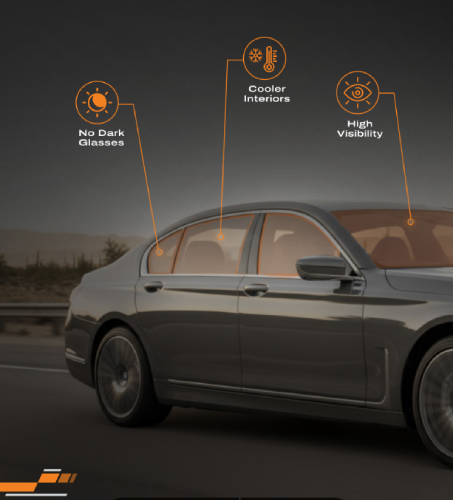
Premium Aegis films, especially the IRX Sun Protection Series, use multi-layer ceramic sputtering with nano-titanium nitride technology. This structure helps block infrared heat while maintaining clarity.
Key benefits include:
- Up to 99% infrared heat rejection
- 99% UV protection
Clear visibility with no signal interference
Types of Sun Control Films From Aegis Films
| Film Type | Technology | Strength |
|---|---|---|
| Dyed Films | Dyed polyester | Dark look, low heat protection |
| Carbon Films | Carbon layers | Better heat rejection |
| Ceramic Films | Nano-ceramic particles | High heat rejection and clarity |
| Nano-Ceramic / IRX | Multi-layer ceramic sputtering | Maximum heat rejection |
Aegis offers Carbon, Ceramic and advanced IRX sun protection films, giving drivers powerful heat protection without relying on dark tint.
Conclusion
Driving in India means dealing with intense sunlight and high temperatures for a large part of the year.
Many drivers try to solve this problem by installing dark-tinted films. However, these films often create legal issues and do not provide real heat protection.
Modern sun control films offer a better solution.
They use advanced technology to block heat, reduce glare, filter harmful UV rays and maintain clear visibility. When chosen correctly, they remain compliant with Indian regulations and significantly improve driving comfort.
Instead of focusing on dark tint for style, drivers can choose high-performance sun control films that provide real protection.
It is a smarter and safer way to stay comfortable on Indian roads.
FAQs
1. Are sun control films legal in India?
Yes, sun control films are legal as long as they maintain the required Visible Light Transmission limits specified under CMVR rules.
2. What is the legal VLT limit for car windows in India?
The front windshield must maintain at least 70 per cent VLT, while side windows must maintain at least 50 per cent VLT.
3. Do sun control films really reduce heat?
Yes. Advanced films block infrared radiation, which significantly reduces heat entering the vehicle.
4. Do window films affect night driving?
High-quality films maintain optical clarity and do not affect night visibility when installed correctly.
5. Can sun control films block UV rays?
Yes. Many modern sun control films can block up to 99 per cent of harmful ultraviolet radiation.
6. How long do sun control films last?
High-quality films usually last several years, especially when installed professionally and maintained properly.
7. Can I install sun control film on a new car?
Yes. Window films can be installed on both new and existing vehicles to improve heat protection and comfort.
8. Do sun control films affect GPS or mobile signals?
Modern ceramic films are designed to avoid interference with electronic signals, including GPS and mobile networks.