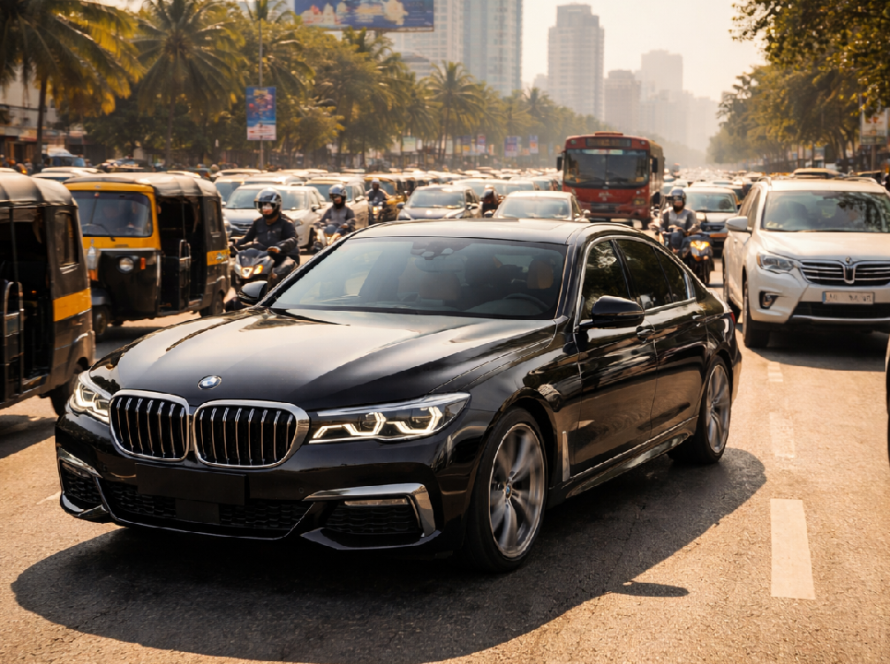
Cars in India have changed fast. Prices have gone up, paint systems have become thinner for environmental reasons and repair costs have reached uncomfortable levels. A small scratch on a modern car no longer means a quick touch-up. It often means panel repainting, colour mismatch and loss of factory finish.
Paint Protection Film entered this space like a hero. It promised invisible protection, self-healing magic and stress-free ownership. Many car owners believed this was the final solution to keep their cars showroom fresh for years.
But after a few months of real use, even the so-called best paint protection films in India failed. In fact, you must have heard from people that PPF is a scam! They are saying it because some cars looked dull, some films turned slightly yellow and a few owners noticed stains that never went away. The gap between promise and reality became clear.
Here’s how Aegis Films came up with the best paint protection film in India and why you should choose it.
People began asking an uncomfortable question. Are all PPF films really the same?
This question created the need for a new generation film, not just another version of the old TPU technology.
Table of Contents
- The Harsh Truth About “Standard” PPF in India
- The Aegis Intervention in Inventing the Polycarbonate Solution
- Advantage of Polycarbonate TPU PPF
- Duroflex Top Coat Technology: An Addition to the Advanced PPF Series from Aegis Films
- Benefits of the Most Advanced Aegis PPF
- The Aegis XG Series Range: World’s Most Advanced PPF
- In Conclusion
The Harsh Truth About "Standard" PPF in India
To understand the magnitude of the Aegis innovation, we must first confront the failure of the “First Generation” films. When PPF first became popular in India, it was largely imported technology designed for the mild climates of Europe or the cooler regions of North America. These films were made from standard Thermoplastic Polyurethane (TPU).
In a controlled environment, standard TPU works fine. But India is not a controlled environment. India is an atmospheric assault course.
The Yellowing Epidemic
The most widespread complaint from Indian car owners was the dreaded “yellowing.” You’ve likely seen it: a white luxury car that looks slightly off-colour, like an old photograph. This happens because standard aromatic TPU is chemically unstable when exposed to high levels of UV radiation. The intense Indian sun breaks down the polymer chains, causing them to oxidise and turn yellow. For a car lover, this is a betrayal. You paid to protect your paint, but the protection itself ended up ruining the look of the car.
The Heat & Humidity Failure
India experiences a unique combination of extreme dry heat (in the North) and crushing humidity (in the coast). Standard TPU films are porous. Under these conditions, they would expand and contract aggressively. Over time, this thermal cycling caused the material to lose its structural integrity. The result? “Orange peel.” The film would become uneven, distorting the reflection of the paint underneath. Instead of a mirror-like finish, the car looked like it had a texture.
The "Self-Healing" Myth
Early films boasted about self-healing capabilities, the ability to melt away swirl marks with heat. While true in a showroom demo, this feature often failed in the real world. Why? Because the surface of the film would get clogged with the microscopic grime of Indian pollution. Once the pores were blocked with soot and dust, the polymer could no longer move to “heal” itself.
The industry was selling a product that wasn’t tough enough for the environment it was serving. The market needed a revolution.
The Aegis Intervention in Inventing the Polycarbonate Solution
The Aegis material team engineered a blend where polycarbonate elements reinforce the TPU structure at a molecular level.
This approach delivered higher tensile strength without sacrificing elasticity. The best car paint protection film in India began handling heat better, resisting deformation and returning to its original form faster. Optical clarity improved because the structure stayed stable under long UV exposure.
On Indian roads, this translated into fewer stretch marks around complex curves, stronger impact absorption on highways and consistent gloss after harsh summers.
Advantage of Polycarbonate TPU PPF
Why is the most advanced PPF from Aegis Films built on this new chemistry, superior to everything else on the market? The answer lies in the molecular “backbone” of the film.
1. Hydrolytic Stability
Sub-standard films suffer from “hydrolysis”: a chemical reaction where water breaks down the polymer bonds. In India’s humid monsoons, this is a silent killer of PPF. The Aegis Polycarbonate TPU backbone is hydrophobic at a molecular level. It refuses to interact with water molecules. This means the XG Series does not degrade, cloud or weaken, even after years of exposure to Mumbai rains or Chennai humidity.
2. Impact Dispersion Physics
When a stone chips a standard film, the energy is concentrated at the point of impact, often punching through to the paint. The Aegis Polycarbonate variant behaves differently. Due to the high tensile strength of the polycarbonate infusion, the film acts like a trampoline. It absorbs the energy of the stone and instantly disperses it laterally across the surface. The impact is neutralised before it can touch the paint.
Duroflex Top Coat Technology: An Addition to the Advanced PPF Series from Aegis Films
If the Polycarbonate core is the muscle, the Duroflex Top Coat is the intelligent skin. Aegis recognised that the top layer is the first line of defence against the elements.
The Duroflex technology is an engineered layer that solves the “yellowing” and “staining” crisis. It utilises a high-crosslink density structure that is far more impervious than ordinary clear coats.
- Fighting Yellowing: The Duroflex layer seals the Polycarbonate core from oxygen and UV exposure, ensuring the film stays crystal clear for years.
- Chemical Resistance: It acts as a barrier against acidic contaminants. Bird droppings and tree sap sit on the surface rather than etching into the material.
- Faster Self-Healing: Because the surface is denser, it doesn’t get clogged with dirt. This allows the self-healing polymers to work repeatedly, melting away swirl marks with just the ambient heat of the sun.
- Gloss Retention: It mimics the depth of a factory clear coat, ensuring that the car looks freshly waxed every time it is washed.
Benefits of the Most Advanced Aegis PPF
When a car enthusiast chooses the Aegis Paint protection film , they are investing in a comprehensive engineering solution. The unique combination of the Polycarbonate TPU backbone and the Duroflex Top Coat unlocks a suite of benefits that solve the specific frustrations of Indian ownership:
True Non-Yellow Performance
The biggest fear for any owner of a white or pearl-finished vehicle is the “ageing” effect, where the film turns a sickly shade of yellow. Standard films yellow because UV rays break down their unstable chemical bonds. The Aegis XG Series is different. Its Polycarbonate backbone is chemically stable and engineered to be intrinsically UV resistant. It doesn’t rely on temporary coatings that wear off. This ensures that a white car stays showroom-white, year after year, even under the harsh Indian sun.
Rapid Self-Healing
The XG Series Aegis paint protection film features advanced “Shape Memory Polymers” in its Duroflex top coat. This smart material is designed to “remember” its original flat state. If the car picks up fine swirl marks from washing or dusting, the film can repair itself with heat. Owners can simply pour hot water over the affected panel to see scratches vanish instantly or they can leave the car parked in direct sunlight. The solar heat warms the polymers, allowing them to flow back into place and level out the surface automatically.
Strong Stain Resistance
Indian roads throw a toxic mix at cars, acidic bird droppings, sticky tree sap and oily road tar. On standard porous films, these contaminants sink in and leave permanent stains. The Aegis Duroflex top coat creates a dense, non-porous barrier that locks these contaminants out. They sit on the surface rather than penetrating it, meaning they can be wiped away without leaving a permanent chemical burn.
Hydrophobic Behaviour
The XG Series lowers the surface tension of the vehicle. Water doesn’t sheet; it beads up into tight spheres and rolls off, carrying surface dust and grime with it. This is a game-changer during the monsoon season. It keeps the car looking cleaner for longer and significantly reduces the effort and friction required during weekly washes.
High Gloss Retention
Standard films often look dull after a few months because micro-scratches haze the surface. Because the Aegis XG Series heals itself and resists embedding dirt, it retains a high-gloss, “wet look” finish that rivals and often exceeds the gloss levels of the factory clear coat. It eliminates the need for constant waxing or polishing.
Superior Impact Absorption
This is where the Aegis innovation truly shines. Standard TPU is soft; if a sharp stone hits it, it can tear. The Polycarbonate-infused core of the XG Series has a higher tensile strength and acts like a shock absorber. When a stone hits the film, the material disperses the impact energy laterally across the surface rather than letting it punch through to the paint. It is the difference between a bruise and a cut.
The Aegis XG Series Range: World’s Most Advanced PPF
The best paint protection film in India from Aegis Films understands that every car and every owner has a different definition of “perfect.” That is why the XG Series is not a single product, but a curated ecosystem of protection. Whether you are shielding a weekend supercar or a daily-driven luxury SUV, there is an XG variant engineered for your specific road reality.
Below is the definitive lineup of India’s most advanced Polycarbonate TPU films.
The Aegis XG Series Comparison
| Variant | Thickness | Warranty | Best Suited For |
|---|---|---|---|
| Aegis Eternal 400 | 400 Microns | Lifetime | The Perfectionist / Extreme Off-Roading |
| Aegis Eternal 300 | 300 Microns | Lifetime | High-Impact Highway Driving |
| Aegis Ultra 250 | 250 Microns | 12 Years | Daily Luxury Commutes |
| Aegis Xceed | 225 Microns | 10 Years | Smart, Cost-Effective Protection |
In Conclusion
For too long, Indian car owners were forced to compromise. They were told that paint protection films would eventually yellow, crack or lose their shine and that this was just “normal” in our harsh climate.
The Aegis XG Series proves that compromise is unnecessary.
By pioneering the use of Polycarbonate TPU, Aegis Films has fundamentally changed the equation. This isn’t just about covering your car with plastic; it is about engineering a shield that uses the same impact-resistant chemistry found in riot gear and bulletproof glass. When combined with the intelligent Duroflex Top Coat, the result is a film that finally solves the specific pain points of the Indian market: heat resistance, non-yellowing clarity and true self-healing.
Choosing the Aegis XG Series is more than a purchase; it is a long-term investment in your vehicle’s value. It gives you the freedom to drive without anxiety, knowing that the most advanced armour in the world is standing between your paint and the road. The search for a best paint protection film in India that can survive extreme heat and harsh road conditions is here.
FAQs
1) Is PPF really worth it in India?
Yes, PPF is worth it in India because our roads bring stone chips, scratches, harsh sun and bird droppings daily. It protects the original paint and keeps resale value high. Think of it as long-term insurance for your car’s finish.
2) What are the disadvantages of PPF?
Cheap PPF may yellow over time. However, you can overcome this by opting for a premium high-grade paint protection film if you really want to protect your car.
3) Is PPF legal in India?
Yes, PPF is completely legal in India because it is a transparent protective layer and doesn’t change the car’s colour. Unlike wraps or tints, it does not violate any RTO rules.
4) Is 190 micron PPF good?
Yes, 190-micron PPF is considered very good and offers strong protection against scratches and stone impacts. It balances thickness with flexibility, making it ideal for Indian driving conditions.
5) How long does PPF last in Indian conditions?
Good quality PPF usually lasts 5 to 7 years in India with proper care. Its life depends on film quality, installation, and maintenance but it stays effective against scratches, stains and UV damage throughout this period.