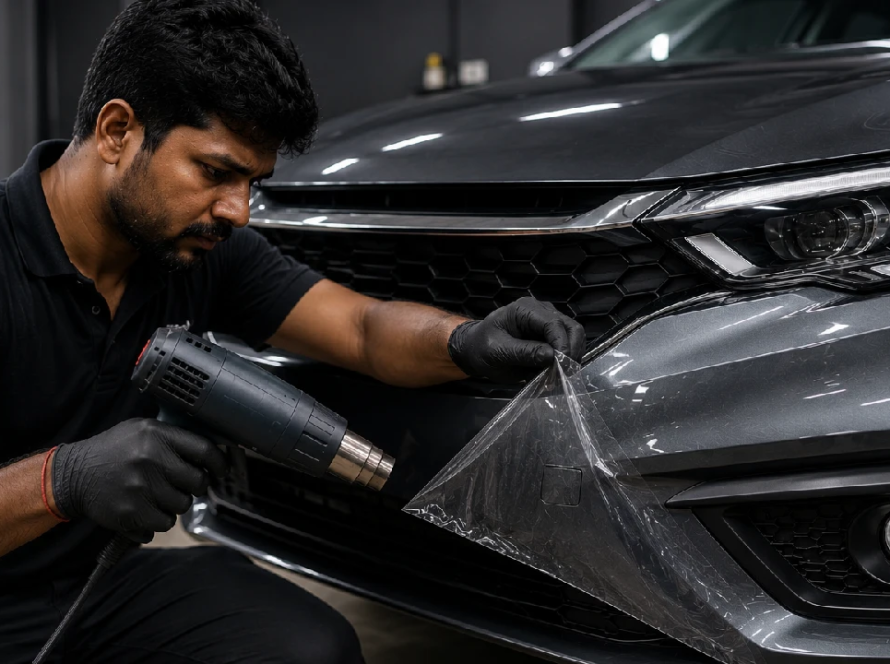
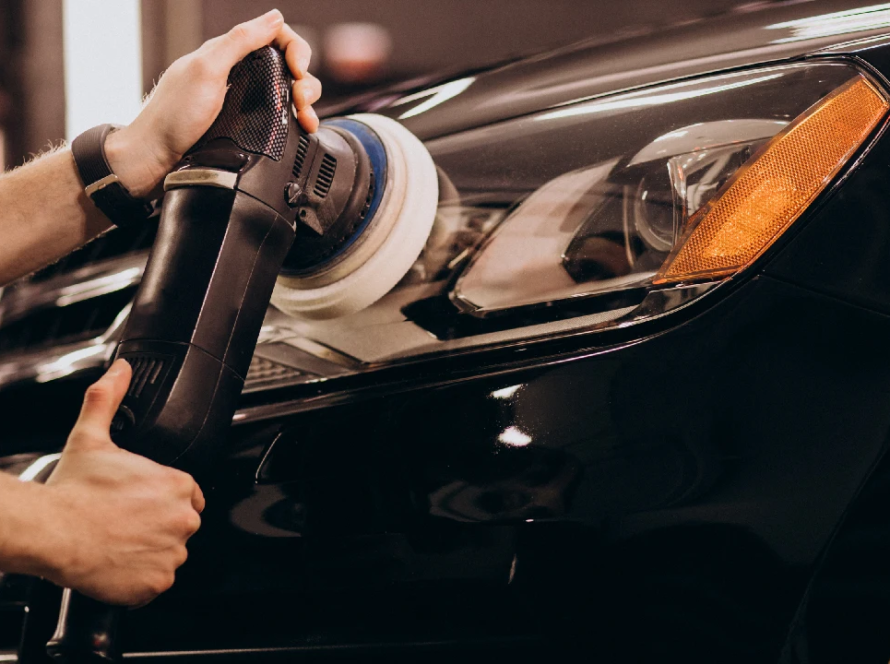
India is not a normal market for paint protection film.
Here, your car experiences 48°C summer heat, acid, construction dust, highway gravel and hard borewell water stains in tier-2 cities.
Most global PPF lifespan claims are tested in controlled Western climates. Stable temperatures. Cleaner roads. Softer water. Predictable seasons.
India is different.
Here, paint protection film ages faster, gets tested harder and reveals its true quality much earlier.
So if you want a realistic answer to how long the best paint protection film in India lasts, you are in the right place.
Table of Contents
- Factors Affecting the Durability of PPF in India
- Why India Is the Ultimate Stress Test for PPF
- What Happens to PPF Over Time?
- How Long Does a PPF Last in India?
- Is PPF Worth It for 5-7 Years?
- So, How to Increase the Lifespan of Your PPF?
- Why Aegis Paint Protection Film Lasts Longer in India?
- When Should You Replace Your PPF?
- Final Word
- Frequently Asked Questions
Factors Affecting the Durability of PPF in India
First, you need to understand what actually affects the lifespan of PPF coating for car surfaces.
Think of PPF as a shield. But every shield has a breaking point.
Here are the five biggest factors that decide how long your car PPF will survive.
1. Film Material Quality
There are three broad material categories in the market:
- PVC-based films: Cheap. Prone to yellowing and cracking. Avoid.
- TPH films: Slightly better but still low quality.
- TPU (Thermoplastic Polyurethane): Premium. Flexible. Self-healing. Long-lasting.
If you want 5+ years in India, TPU is non-negotiable.
Most PPF brands use aliphatic TPU because it resists UV damage better. Aromatic TPU tends to yellow faster under harsh sun exposure.
2. Thickness of the Film
Standard high-quality car protection film ranges between 150 to 200 microns.
Thicker film:
- Absorbs stone chips better
- Resists tearing
- Survives highway abuse longer
But thickness alone does not guarantee durability. The clarity of the top coat and the adhesive quality matter equally.
3. Installation Quality
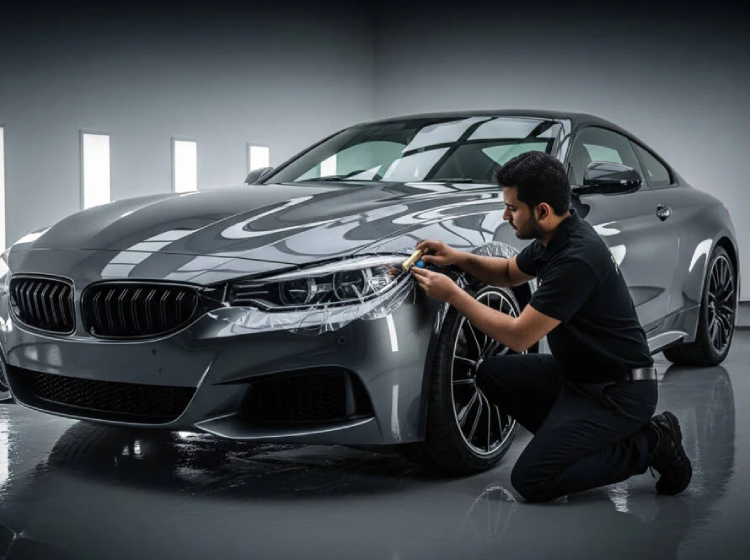
Even the best paint protection film in India will fail if installation is poor.
Common mistakes that reduce lifespan:
- Improper surface prep
- Trapped moisture
- Dust contamination
- Overstretching the film
- Bad edge wrapping
When film is overstretched, its top coat weakens. That area yellows faster.
4. Indian Environmental Stress
Let us be brutally honest. Indian conditions are extreme.
You deal with:
- Intense UV radiation
- Acidic bird droppings
- Tree sap
- Hard water spots
- Construction dust
- Diesel soot
- Monsoon moisture
This environment ages PPF faster than European climates.
5. Maintenance Habits
A car washed at random roadside stations with dirty cloths will age faster than a properly maintained vehicle.
PPF coating needs:
- pH-neutral shampoos
- Regular cleaning
- Safe drying
- Decontamination every 6-12 months
Maintenance can easily extend lifespan by 1-2 years.
Why India Is the Ultimate Stress Test for PPF
Before we even discuss years, you need to understand what your car PPF actually fights against in this country.
1. Extreme UV Radiation
Surface temperature on a black car in peak Delhi summer can cross 70°C.
That heat:
- Accelerates oxidation
- Weakens poor adhesives
- Causes low-grade films to yellow
Aliphatic TPU handles this better. Aromatic TPU struggles.
2. Hard Water Is a Silent Killer
Most cities use borewell water with high TDS levels.
When that water dries on the car:
- Minerals deposit on the PPF top coat
- Heat bakes those deposits
- Etching starts
If left untreated, this reduces clarity and hydrophobic performance.
3. Dust and Construction Pollution
India is constantly under development. Cement dust is everywhere.
That fine dust behaves like micro sandpaper. Over time, it creates microabrasion.
Front bumpers, rocker panels and side skirts suffer the most. Many car owners who drive on highways see this early.
4. Monsoon Humidity
High humidity affects:
- Adhesive curing
- Edge bonding
- Long-term clarity
If installation happens without climate control during the monsoon, film longevity drops significantly
What Happens to PPF Over Time?
Most people imagine PPF suddenly fails one day. That is not how it works.
It ages gradually. Let me walk you through the stages.
Year 1-2: Prime Condition
- Maximum gloss
- Strong hydrophobicity
- Self-healing works efficiently
- No discoloration
This is when the PPF coating for car surfaces performs at its peak.
Year 3-5: Stable Protection Phase
- Minor swirl marks self-heal
- Slight drop in hydrophobic effect
- Edges may collect dirt if not maintained
- No major yellowing in quality TPU
This is where most premium car PPF performs reliably.
Year 6-8: Ageing Begins
- The top coat starts losing clarity slightly
- Hydrophobicity reduces
- Heavy impact zones show wear
- The adhesive begins weakening
However, these problems don’t happen with Aegis XG Series, which uses TPU-Polycarbonate bond for strength and durflex top coat to prevent yellowing. It’s the best paint protection film in India that doesn’t yellow and lasts 10-12 years easily.
Year 9-10: Replacement Window
- Self-healing slows down
- The surface may look slightly dull
- Removal is recommended before the adhesive hardens
This is why replacing at the right time matters. Over-aged PPF becomes harder to remove.
How Long Does a PPF Last in India?
Here’s how long a PPF typically lasts as per the driving conditions.
| Usage Type | Driving Conditions | Expected Lifespan of Quality TPU PPF |
|---|---|---|
| City use only | Daily commute, covered parking | 7–10 years (If there’s a TPU-Polycarbonate blend) |
| Mixed use | City + occasional highways | 6–8 years |
| Frequent highway drives | Gravel exposure | 3–5 years |
| Outdoor parking full time | Heavy UV exposure | 5–6 years |
| Hill stations / coastal cities | High moisture, salt | 5–7 years |
Noticed something?
The variation is not random. It directly correlates with UV exposure and physical impact.
Is PPF Worth It for 5-7 Years?
Let us put things into perspective.
Let’s say the paint of your premium car gets damaged. You might go for a repainting job.
However, resale value drops sharply if:
- Panels are repainted
- Paint mismatch happens
- Clear coat thickness changes
A good car paint protection film preserves the original factory paint. That alone justifies the investment.
Original paint always commands a higher resale value.
So, How to Increase the Lifespan of Your PPF?
If you want your PPF coating to touch the higher end of 8–10 years, follow this.
- Wash Every 10-15 Days
Dust left sitting becomes abrasive.
- Use a microfibre cloth for wiping
Hard water leaves mineral deposits. Those etch into top coat. Use a microfibre cloth and wipe the water immediately after washing.
- Remove Bird Droppings Immediately
They are acidic. They stain faster under heat..
Why Aegis Paint Protection Film Lasts Longer in India?
When we talk about the best paint protection film in India, we cannot ignore climate adaptation.
Aegis paint protection film focuses on durability under Indian stress conditions.
Key advantages include:
- High-grade aliphatic TPU base
- Advanced UV inhibitors
- Strong adhesive bonding for high-heat zones
- Superior top coat clarity
- Designed thickness for stone impact resistance
- Exclusive studio partners to maintain controlled installation environment standards
Aegis PPF is engineered to handle heat, dust and humidity together.
When Should You Replace Your PPF?
Do not wait until it cracks.
Replace when you see:
- Edge lifting
- Visible yellowing
- Loss of clarity
- Deep embedded stains
- Adhesive hardening
Timely replacement prevents paint damage during removal.
Final Word
Paint protection film is not magic. It is material science.
In Indian weather, durability depends on film chemistry, installation precision and maintenance discipline.
If you choose a high-quality TPU-based car paint protection film, install it professionally and maintain it properly, you can expect 6-8 years of strong performance.
When you invest in paint protection, invest in the best paint protection film in India to ensure durability. .
Frequently Asked Questions
1. How long does paint protection film last in India?
A premium TPU-based paint protection film lasts 5-7 years & Polycarbonate-TPU based film lasts 10-12 years in Indian conditions, depending on usage and maintenance.
2. Does PPF coating get damaged in summer heat?
High-quality PPF coating for car surfaces is heat-resistant and self-healing. Poor-quality films may lift or yellow.
3. Is car PPF better than ceramic coating?
Car PPF offers physical impact protection. Ceramic coating only provides gloss and minor scratch resistance.
4. Which is the best paint protection film in India?
Look for aliphatic TPU, strong warranty, UV resistance and controlled installation.
5. Does PPF increase resale value?
Yes. Preserved original paint improves buyer confidence and resale price.