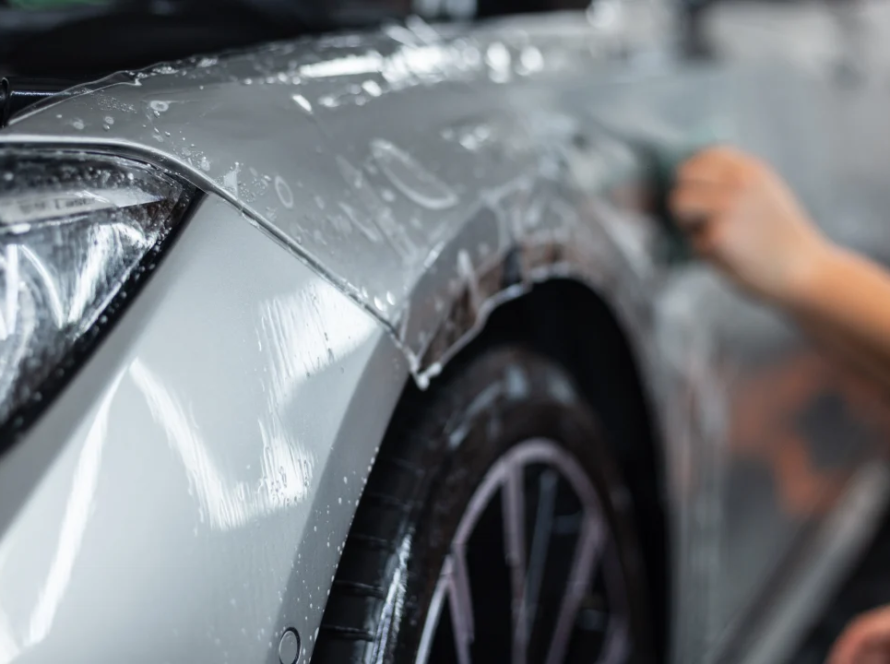
You must be really excited to drive your Tata Safari EV as soon as you receive the delivery. But you should resist the temptation and visit a detailing studio and get it protected. Because electric vehicles often use water-based, eco-friendly paints to keep their carbon footprint low. While that’s great for the planet, it’s a nightmare for the Indian highway. These paints tend to be softer. One trip on the highway or the pothole-ridden lanes and your pristine paint will soon have scratches. And there is much more.
Here’s why you should protect your Tata Safari EV with Aegis paint protection film as soon as you get the delivery.
Table of Contents
What is PPF?
Paint Protection Film (PPF) is a high-tech, transparent skin made of a Thermoplastic Polyurethane (TPU) layer that sits on top of your clear coat.
When a stone hits a normal car, it chips the paint. When a stone hits a car with PPF coating, the film absorbs the impact. The film might “dent” for a second, but because it’s elastic, it bounces back.
| Layer | Function |
|---|---|
| Top Coat | Self-healing layer that fixes scratches with heat. |
| TPU Core | The "muscle" that absorbs stone chips and door dings. |
| Adhesive | The "grip" that ensures the film never peels. |
Why is PPF Required Especially for EVs?
You might wonder, “Why does my Safari EV need more protection than my old Hexa or Safari Diesel?” There are three technical reasons for this:
- Aero Design Factor: The Safari EV features a closed front grille for better aerodynamics. This large, flat surface area is a massive target for road debris. Unlike a traditional honeycomb grille that lets air (and stones) pass through, the EV face takes the full hit.
- Weight and Torque: EVs are heavier due to batteries and have instant torque. This means your tires kick up stones with significantly more force than an Internal Combustion Engine (ICE) car. You are literally “sandblasting” your own side panels every time you floor it.
- The Resale Value Cliff: EV technology moves fast. In five years, the battery tech might change but a car with Factory Fresh paint will always command a premium.
Is PPF Really Worth It for the Tata Safari EV?
Investing in a flagship SUV like the Tata Safari EV is a major financial decision, which makes protecting its exterior a logical priority. A high-quality repaint at a Tata authorised centre can cost you around ₹1.5 Lakhs, but even then, it never truly matches the original factory finish. Because the market values “original paint” above all else, any touch-ups or full repaints will inevitably lower your car’s resale value. You end up spending a fortune on repairs only to lose even more money when it comes time to sell your vehicle.
Applying paint protection film solves this problem by providing a tough, invisible barrier that takes the hit so your paint does not have to. This premium PPF coating for car prevents stone chips and swirl marks from ever reaching the surface, which eliminates the need for expensive repaints throughout your ownership. As a result, your Safari EV stays in showroom condition, making it much easier to justify a premium price tag later on. By choosing the best paint protection film in India, you save yourself from future repair bills while locking in the highest possible return on your investment.
What Happens If You Don't Get PPF on your Tata Safari?
Choosing to “risk it” without a protective layer might seem like a cost-saving move initially, but the Indian climate is rarely kind to automotive finishes. Even a flagship like the Tata Safari EV, built with modern paint technology, is not immune to the physics of the road. Over time, the combined effect of high UV exposure, industrial fallout and road debris could lead to a visible decline in your SUV’s aesthetic appeal.
Here’s what might happen if you don’t get a good-quality PPF done on your Tata Safari EV :
Potential for Micro-Abrasions
Within the first few months of ownership, you might notice the onset of “swirl marks.” These spider-web-like scratches often appear as a result of the daily cleaning cycle common in Indian households. Even with a careful hand, fine dust particles can act as an abrasive, potentially dulling the deep gloss of your Safari EV’s Persona paint. This isn’t a reflection of the paint quality, but rather a reality of maintaining a large SUV in a dusty environment. Without the self-healing top coat found in Aegis paint protection film, these micro-scratches tend to accumulate, making the finish look “tired” prematurely.
The Sandblasting Effect on Highways
As you take your Safari EV on more highway runs, the front fascia might become a target for high-velocity road debris. Because of the EV’s aerodynamic closed-grille design, the front bumper and hood are prone to taking direct hits from loose gravel and pebbles. Over time, this could result in tiny, localised paint chips, often appearing as small white dots. For owners of darker shades, these imperfections can become quite noticeable, potentially requiring expensive detailing or touch-up work that rarely matches the factory precision.
Chemical Etching
After a year of exposure, the paint surface might face its toughest test: chemical etching. In many parts of India, highly acidic bird droppings or tree sap can sit on the roof or hood under the intense afternoon sun. If not cleaned immediately, the heat could cause these substances to bond with the clear coat, potentially leaving permanent ghost marks or dull patches.
The Onset of UV-Induced Oxidation
Prolonged exposure to harsh UV rays might begin to affect the paint’s chemical structure. This process, known as oxidation, can cause even the most vibrant colours to look milky or hazy, potentially. While Tata Safari EV accessories can protect your interior from the sun, only the best paint protection film in India offers a UV-stabilised shield for the exterior. Without it, the showroom shine you fell in love with might gradually fade into a flat, oxidised appearance that significantly impacts the vehicle’s road presence and eventual resale value.
Which is the Best PPF for Your Tata Safari EV?
There are many “imported” brands out there. They are made for the cool, dust-free roads of Europe or California. But India is different. We have extreme heat, 90% humidity and “hard water” that leaves mineral spots.
This is where Aegis paint protection film wins. It is engineered specifically for the Indian environment.
Why Aegis is the Best Paint Protection Film in India:
- Aliphatic TPU and Polycarbonate Blend: While cheap films use aromatic TPU (which turns yellow in 6 months), Aegis uses Premium Aliphatic TPU & polycarbonate blend. These blends provide elasticity and strength that no other brand can provide.
- DuroFlex Technology: It makes the film resistant to the specific chemicals found in Indian road grime and bird droppings. Most importantly, the PPF doesn’t yellow at all, even in the Indian climate.
- High Microns for High Impact: We offer films that are thicker than the industry standard. For a heavy SUV like the Safari EV, you need that extra “cushion” to stop deep stone chips.
Common Mistakes to Avoid While Getting PPF for Tata Safari EV
Now that you are sure that you need a PPF, avoid making these mistakes :
1. Choosing Based Only on Brand Name
Imported ≠ Better.
Always check:
- Installation quality
- Film specifications
- Warranty clarity
2. Ignoring Installer Expertise
Even the best PPF can fail with poor installation.
Look for:
- Clean studio setup
- Proper cutting tools
- Experienced technicians
3. Falling for Cheap PPF Deals
If the price feels too good to be true, it is.
Cheap PPF leads to:
- Yellowing
- Peeling
- Paint damage
4. Not Understanding Coverage Options
Here are the coverage options that you usually get.
- Full front protection
- High-impact areas
- Optional full wrap
While full coverage always works well, ask your detailer to guide you on coverage options based on your usage.
5. Skipping Maintenance Knowledge
PPF is not “install and forget.”
Basic care includes:
- Proper washing techniques
- Avoiding harsh chemicals
- Regular inspection
Conclusion
Owning a Tata Safari EV is about more than just moving from point A to point B; it is about embracing a new era of Indian automotive excellence. This SUV represents a significant investment in technology, sustainability and status. However, the true test of a premium vehicle isn’t how it looks on the delivery day, but how it stands up to the reality of Indian roads three, five or seven years down the line. Without a dedicated shield, the environment will eventually leave its mark, potentially impacting both your pride of ownership and the vehicle’s market value.
By choosing Aegis paint protection film, you are effectively “freezing” your Safari EV in its showroom state. This high-performance PPF coating for car offers a self-healing, UV-resistant barrier that handles the stress of daily commutes and highway sprints so your paint doesn’t have to. Instead of worrying about every loose pebble or dusty cleaning cloth, you can focus on the silent, powerful drive that defines the EV experience. When you finally decide to upgrade years from now, having the best paint protection film in India will be the difference-maker that ensures you get the premium resale price your vehicle deserves.
FAQs
1. What is better, PPF or ceramic coating?
PPF and ceramic coating serve different purposes. PPF protects against physical damage like scratches and stone chips, while ceramic coating mainly adds shine and makes cleaning easier. For complete protection, many car owners choose PPF for high-impact areas and ceramic coating on top.
2. Is PPF coating worth it in India?
Yes, especially in India, where roads, dust, heat and traffic conditions are harsh. PPF helps protect your car’s paint from daily wear and tear, making it a practical investment rather than a luxury.
3. How long does paint protection film last?
High-quality PPF can last anywhere between 5 to 10 years, depending on usage, maintenance and environmental conditions. Films like Aegis paint protection film are designed to handle Indian weather, which helps improve durability.
4. Does PPF turn yellow over time?
Low-quality or poorly maintained PPF can turn yellow due to UV exposure and heat. However, premium films with UV-resistant top coats are designed to prevent yellowing even in extreme sunlight.
5. Is PPF removable?
Yes, PPF can be safely removed without damaging the original paint, provided it is installed and removed properly by professionals.