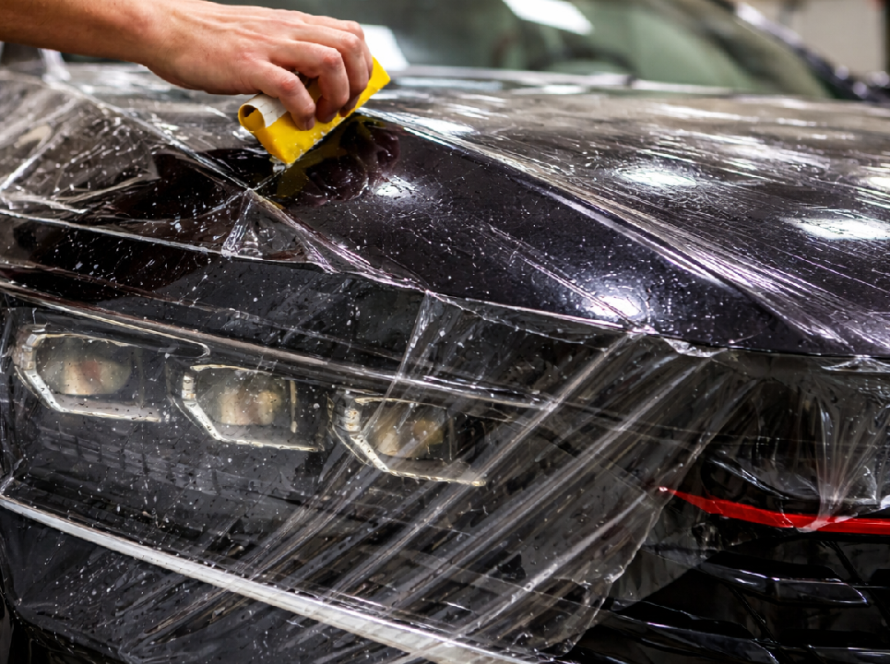
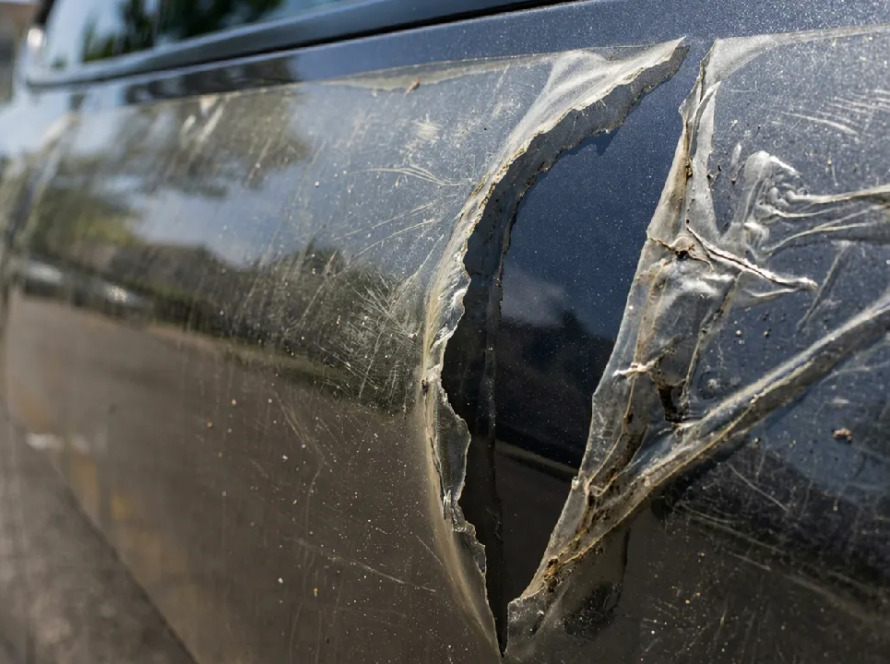
Full-body paint protection film is the most appropriate way to protect a car’s paint and if the budget allows for it, that is the option worth going for. It covers every panel, so there is no visible line between protected and unprotected paint and it leaves nothing exposed to random impacts from stone chips, swirl marks or UV fading.
That said, not everyone wants to pay for complete coverage and partial paint protection film is a reasonably affordable option. The problem is that partial only works if it covers the right panels. Some surfaces take daily torture regardless of how or where the car is driven and skipping paint protection film on those zones defeats the purpose of doing partial coverage at all. In this quick guide, we will share the high-impact parts of your car that should never be left unprotected, followed by realistic partial PPF pricing and a full comparison against full-body coverage.
Table of Contents
Critical Areas Every Car Owner Should Protect with PPF
👉 Front Bumper
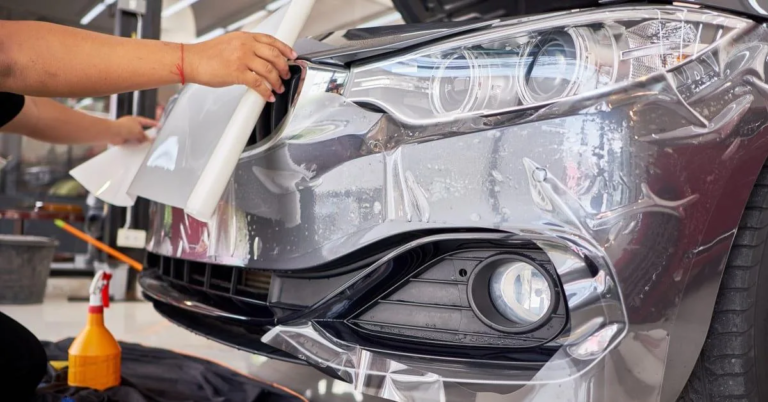
The front bumper is the first surface to meet whatever the road throws up, from loose gravel on a highway to grit kicked up by the car ahead in city traffic. It sits at bumper height, which happens to be exactly where stone chips land most often and it is one of the most commonly repainted panels at any body shop for exactly that reason. A layer of paint protection film here absorbs those impacts before they ever reach the factory paint underneath.
👉 Bonnet (Hood)
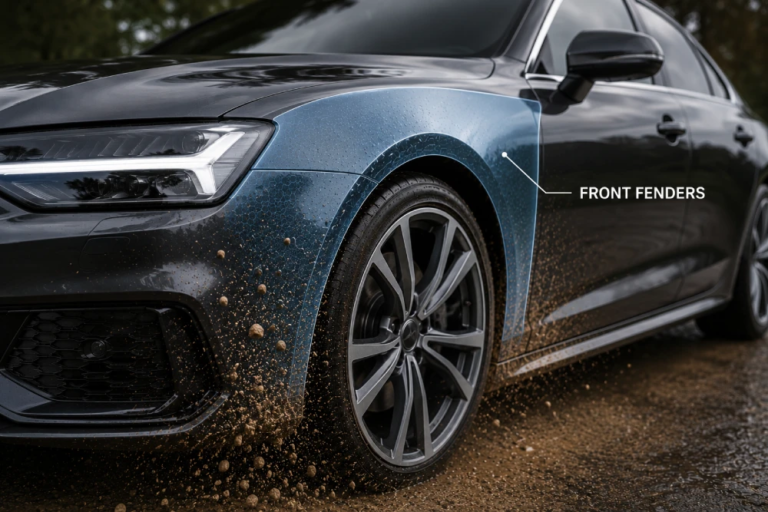
👉 Front Fenders
👉 Headlights
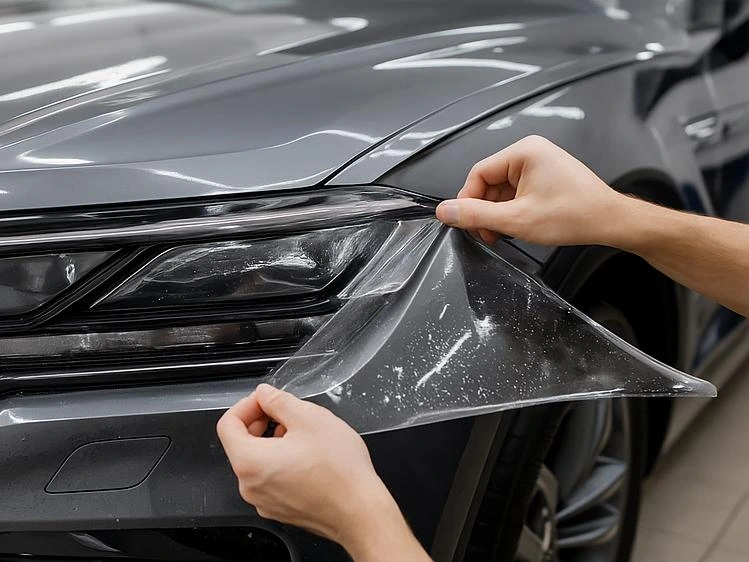
Headlight PPF is easy to overlook because headlights are not painted panels, but they take just as much of a beating as the bumper right in front of them. Beyond the physical impact of stone chips, it also helps with:
- UV exposure that dulls clarity and contributes to the yellowing that makes headlights look aged
- Fine scratching from car washes, wiping and general handling
- Pitting from long-term road debris exposure
Paint protection film will not undo yellowing that has already set in, but applied early, it noticeably slows the process and keeps the lenses clearer for longer.
👉 Side Mirrors
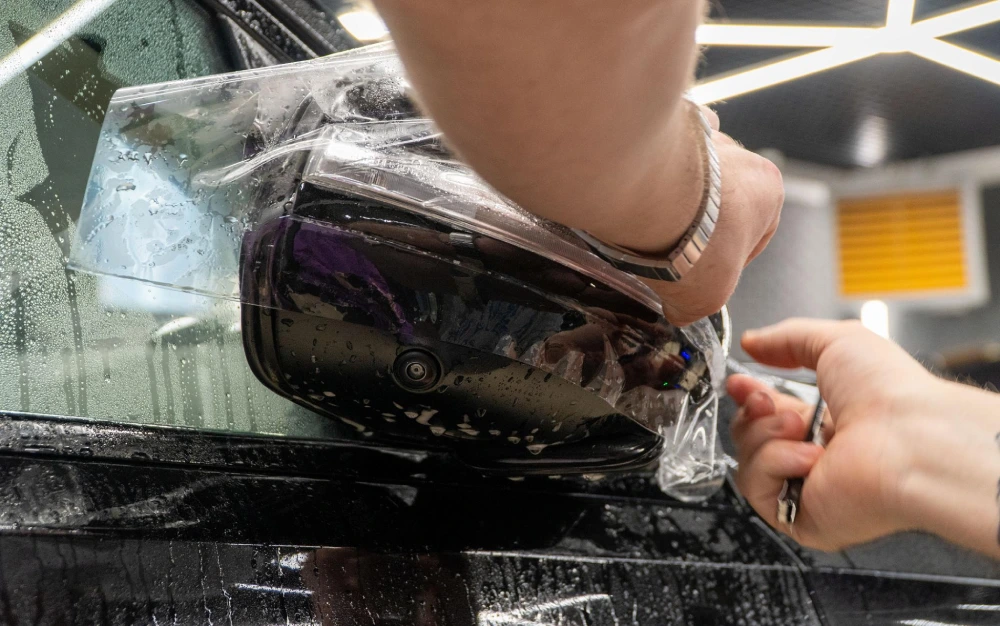
Side mirrors stick out further than almost any other part of the car, which puts them directly in the path of airflow, road spray and anything flying up from oncoming traffic. Mirror caps and housings chip and scuff quickly without protection and because they are one of the more visible parts of the car from the driver’s seat, that wear tends to stand out more than damage elsewhere.
👉 Rocker Panels
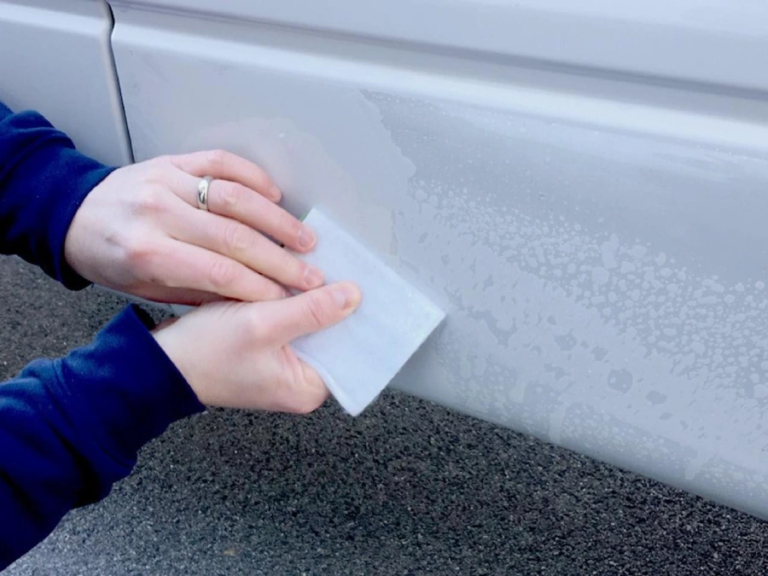
Rocker panels run along the bottom edge of the doors and they take a constant stream of tyre spray, road grit and salt or grime kicked up from below. Because they sit low and out of the direct line of sight, damage here often goes unnoticed until pitting and staining have already set in. Paint protection film on the rocker heads off before it becomes visible.
👉 Door Edges
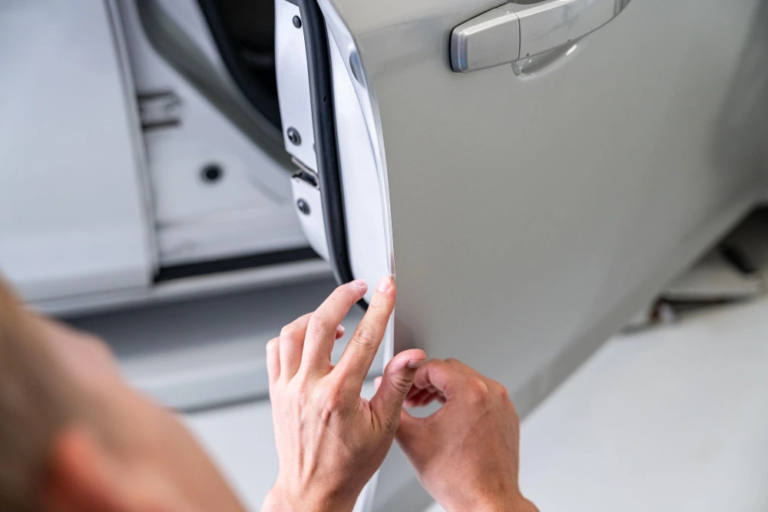
Door edges chip and scuff every time a door is opened in a tight parking spot, a narrow garage or a crowded street. It is one of the most repetitive sources of damage on any car, simply because it happens on nearly every use, not just while driving.
👉 Door Cups
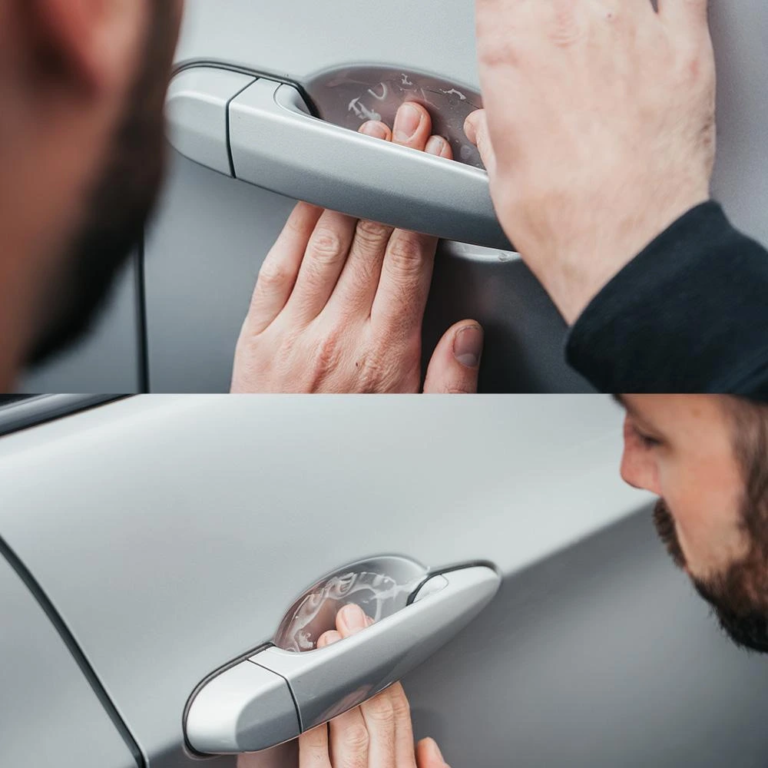
Door cups, the recessed handle area on each door, pick up fingernail scratches and key marks from years of daily use. It is a small surface, which makes it one of the cheapest and most cost-effective additions to any partial paint protection film package.
👉 Rear Bumper and Loading Area
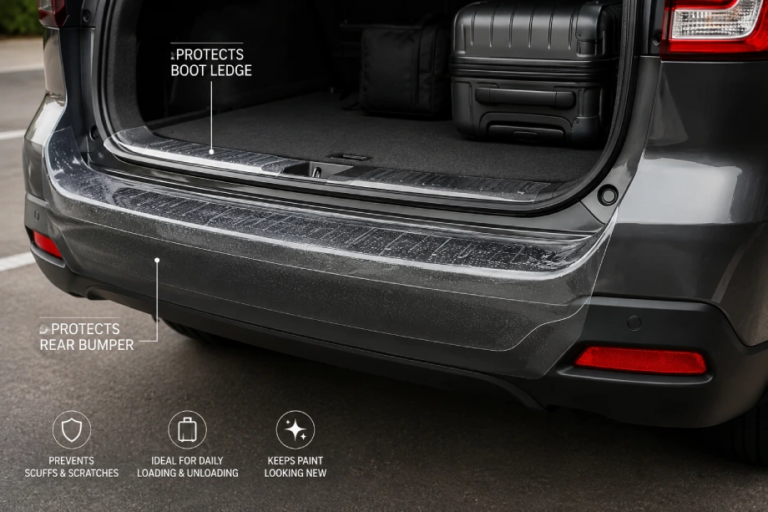
The rear bumper and boot ledge take a different kind of damage: scuffs and scratches from luggage, groceries and cargo loaded in and out over and over. This is less about road debris and more about daily handling, but the wear adds up just as fast, particularly on anyone who uses the boot regularly.
How Much Does Partial PPF Cost?
Talking specifically about India, car owners should expect to spend from ₹325/sq.ft. to ₹1,000/sq.ft. as paint protection film cost. The range is pretty wide because an exact partial PPF pricing depends on a few choices that you’ll make.
Like the quality of PPF coating and warranty tier, the number of panels covered, the size of the car and the installer’s location and labour rates.
What does hold up across multiple independent industry sources is the relative cost of partial versus full coverage: a partial front-end package, typically the bumper, bonnet, fenders, mirrors and headlights, tends to run somewhere between a third and half of what a full-body wrap on the same car would cost. That is a meaningful saving, since it covers fewer panels and less labour while still addressing the zones that take the most damage.
The only reliable way to get an exact number is a quote from an installer for the specific make, model and film tier under consideration. Coverage that costs one amount on a small hatchback can price very differently on a full-size SUV. Also, premium films with longer warranties naturally cost more.
Partial PPF vs Full PPF
Neither option is universally the better choice. It comes down to how the car is driven and what matters most to the owner.
| Situation | Better Fit |
|---|---|
| City driving, lower speeds | Partial coverage on the high-impact zones above is usually enough. |
| Highway driving, long distances | Full-body PPF makes more sense, since sustained speed means more stone chip exposure across every panel. |
| Luxury cars or dark paint | Full-body coverage protects resale value and helps hide swirl marks that show up quickly on dark colours. |
| Daily commuters | Partial coverage on the front end, rocker panels, and door areas covers most real-world risks. |
| SUVs and higher ride height | These vehicles are exposed to more road debris, making front-end PPF almost essential. |
| Tight budget | Partial coverage on the most vulnerable zones provides the best protection for the money spent. |
Beyond the mandatory zones, a few areas are worth adding once budget allows, but they are optional rather than essential:
- Sun protection film: You can consider it if you want to block UV rays, heat and glare from entering the cabin, that too without impacting your car’s visibility. visibility.
- Sunroof PPF: Well, if you want to protect your sunroof glass from twigs or debris impact, sunroof PPF will help you with it.
- Interior PPF: Piano black trim, touchscreens and the centre console scratch faster than most owners expect and paint protection film on these surfaces is one of the better-value additions once the exterior priority zones are covered.
A few areas are safe to skip entirely, regardless of budget:
- The roof, unless it is gloss black or a contrasting colour
- Textured plastic trims, which already resist the kind of scratching PPF prevents
- Rubber seals and mouldings, where film does not adhere well and is not needed
- Areas hidden from daily contact, like lower rocker sections on a car that never goes off-road
Also Read: The Best Paint Protection Film (PPF) Brands in 2026
Bringing It All Together
The zones covered above- front bumper, bonnet, front fenders, headlights, side mirrors, rocker panels, door edges, door cups and the rear bumper or loading area- are the ones that should never be left out of a partial PPF package, because they take damage regardless of how carefully the car is driven. Beyond that, windshield PPF, sunroof PPF and interior PPF are worth adding as budget allows, based on how the car is actually used rather than as a default.
If the goal is complete, no-compromise protection and the budget supports it, full-body paint protection film remains the better option overall. If partial is the plan, working through the priority list above in order gives the most protection for the least spend, rather than jumping straight to full coverage or, worse, skipping a zone that turns out to matter. Whatever you go with, just make sure you only choose the best paint protection film available in India.
FAQs
1. Can PPF be applied to headlights?
Yes. Headlight PPF is one of the more practical applications, since headlights sit low and forward and take constant impact from road debris, along with UV exposure and yellowing over time.
2. Can PPF protect a windshield?
Yes, though windshield PPF is a more specialised and pricier installation than body panel film and it suits frequent highway drivers more than short-commute city drivers.
3. Can PPF be installed inside the car?
Yes. Interior PPF is commonly used on piano black trim, touchscreens, the centre console and other high-contact interior surfaces that scratch faster than expected.
4. How long does PPF last?
This varies by brand and film quality, but reputable paint protection film is generally rated for several years of use before it needs replacing.
5. Does PPF turn yellow?
Lower-quality PPF coating can yellow over time, which is one reason film brand and warranty tier matter as much as installation quality.
6. Should I get full body PPF or partial coverage?
It depends on driving conditions and how long the car will be kept. Highway drivers and owners of luxury cars or dark-coloured paint tend to get the most value from full-body coverage, while city drivers on a tighter budget are usually well served by partial coverage on the high-impact zones.
7. Can PPF be removed?
Yes, properly installed paint protection film can be removed without damaging the paint underneath, provided it is taken off correctly by someone experienced with the process.