You probably have already considered PPF coating on your car, or maybe you are still planning for it. But do you know how you will actually maintain the lifespan of your car’s PPF coating once it is on? We often get asked about PPF maintenance, and to be honest, it is not complicated once you know the right steps. In this guide, we will walk you through everything, right from the first wash after installation to the small daily habits that will help you maintain the lifespan of your car’s PPF coating.
Table of Contents
What to Do Right After Your PPF Installation
The first week or so after your PPF Coating goes on is when the film needs the most patience from you, not the most work.
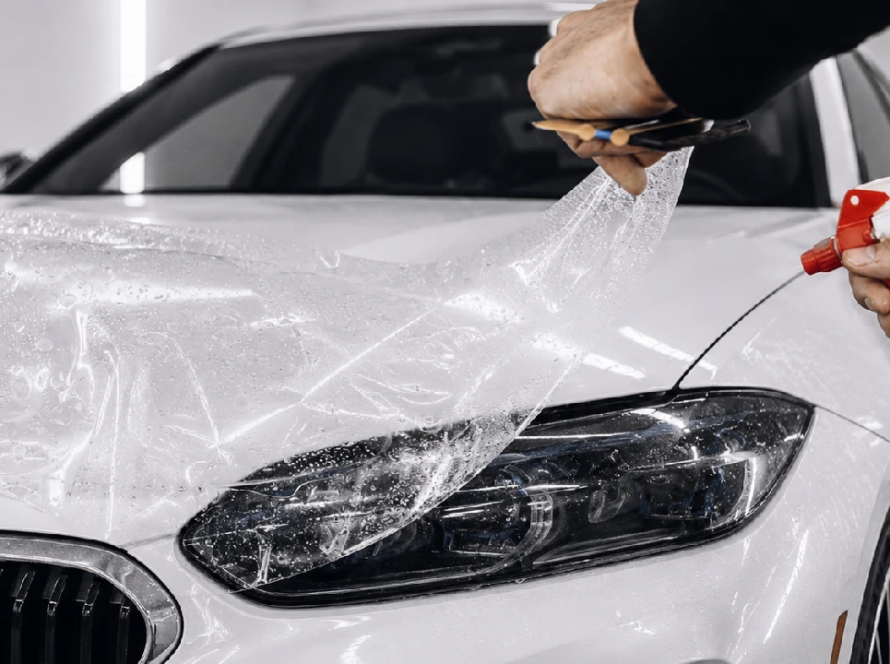
During installation, professional car detailers use a slip solution to position and stretch the film smoothly around your car’s curves. That solution needs time to fully evaporate so the adhesive can bond properly to your paint. In simple words, if you wash the car too soon, you risk lifting an edge or shifting the film before it has properly settled.
To help your PPF settle properly, keep these points in mind for the first 7 to 10 days:
- Skip hand washing and pressure washing completely during this period.
- If your car’s outside, that is actually fine, since sunlight helps the curing process along.
- Avoid parking it under trees or leaving it out in the rain, since sap and moisture can interfere with curing.
- If it is parked in the open, try to rotate the car so both sides get a fair amount of sun.
- Avoid waxing, polishing or applying any coating on top until your installer gives you the go-ahead.
Once this curing window is done, your PPF is ready for its regular care routine, which we will get into next.
Extra Care Tips to Boost Your Paint Protection Film Lifespan
A good paint protection film lifespan really comes down to how you treat it day to day. The film itself is tough, but it still needs a reasonable amount of care to hold up well for years.
How to Wash a PPF Car, Step by Step
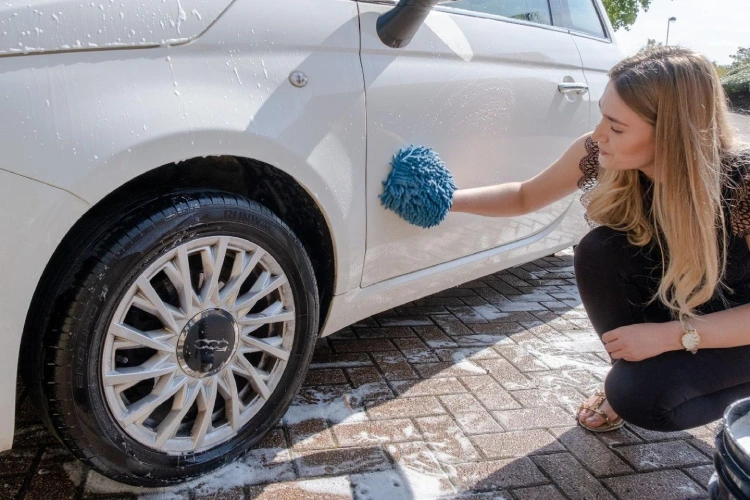
If you are still confused about how to wash a PPF car properly, here is a simple routine that works well:
- Rinse the car first to remove loose dust and grit, so that you’re not dragging it across the film during the cleaning process.
- Use a pH-neutral car shampoo and avoid dish soap, since it can dry out the film over time and strip away any protective top coat.
- Follow the two-bucket method, one bucket for soapy water and one for rinsing your wash mitt, so you are not putting dirt back onto the paint.
- Wash top to bottom, and always wipe towards the seams and edges rather than into them. Wiping into a seam can lift the edge, and once that starts, it just gets worse.
- Dry with a soft microfibre towel or an air blower, working gently rather than rubbing hard.
Keep these general maintenance tips in mind:
- Never take your PPF-wrapped car to an automatic or mechanical car wash. The rotating brushes and harsh pre-soak chemicals used there can lift edges and dull the film’s finish.
- Skip scrub brushes, chamois or water blades on the film. It might feel tempting since PPF can self-heal light marks, but a scratch is still a scratch, and you may not get all of it back.
- Wipe off bird droppings, bug splatter and tree sap as soon as you can. These are acidic and can etch into the film if left on for too long. A quick detailer or waterless wash spray between full washes works well here.
- If you use a pressure washer, keep the nozzle at least one to two feet away from the paint and edges, and use a wider fan-angle tip rather than a narrow jet. Keep the pressure on the gentler side.
- Check the edges every few months for any signs of lifting. If you do spot one, get it looked at by your installer rather than trying to fix it yourself, since a DIY attempt usually makes it worse.
- Be a little careful with compressed air near seams and edges too, since holding it too close can blow up an edge and trap dirt underneath.
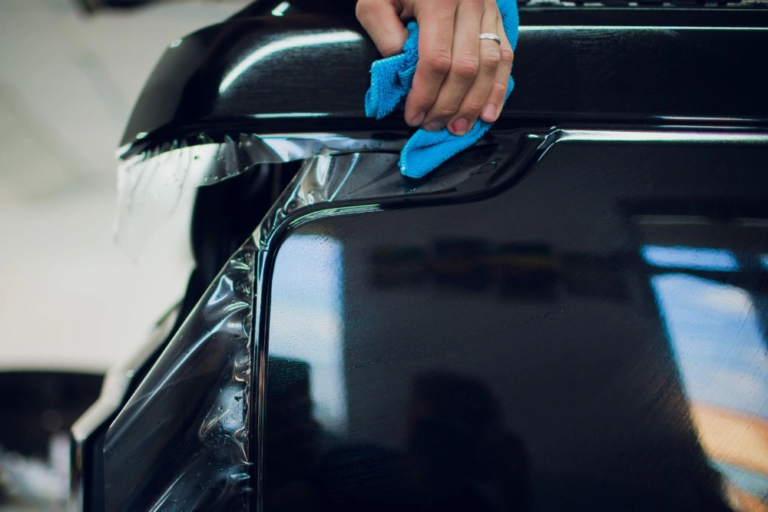
One more thing that genuinely helps is adding a ceramic coating on top of your PPF. It gives you a slicker, more hydrophobic surface, so dirt and water do not cling as easily, which in turn makes every wash quicker and easier. High-quality films like Aegis XG Series already come with a strong self-healing top coat, and pairing that with a ceramic topper just makes upkeep even simpler.
Also Read: Common PPF Mistakes That Are Slowly Ruining Your Car
Useful PPF Cleaning Products That You Should Have
You do not need a huge shelf of products to maintain your PPF coating’s appearance and lifespan. Here we will quickly list some simple yet useful PPF cleaning products in India.
- A pH-neutral car shampoo: This is the single most important product on this list. Anything harsh or detergent-based can dry out the film faster than it should.
- Soft microfibre wash mitts and drying towels: These help avoid the fine swirl marks that stiffer materials can leave behind.
- A dedicated bug and tar remover or quick detailer spray: Useful for those in-between-wash moments when bird droppings or bug marks need to come off quickly, without a full wash.
- An iron fallout remover: This helps safely lift embedded brake dust and road contaminants before your contact wash, so you are not scrubbing them into the film.
- A ceramic coating topper or sealant spray: Adds slickness and makes ongoing maintenance noticeably easier.
When you are choosing PPF cleaning products in India, just make sure the label mentions that it is safe for PPF and ceramic coatings, and steer clear of anything with strong solvents. Your CarzSpa installer can usually point you towards products they trust for your specific film, so it is always worth asking them directly rather than guessing at a store.
It also helps to know what to avoid altogether. We have covered this in detail in our post on products you should never use on a PPF-coated car, so it is worth a quick look before you stock up.
Concluding It All For You
Maintaining your PPF is mostly about consistent, gentle care, and getting it professionally checked once in a while does the rest. If an edge is lifting, a section looks discoloured or you are just not sure whether something needs attention, it is always better to let a trained detailer take a look rather than experimenting on your own.
Aegis PPF is available exclusively through CarzSpa Studios across India, where trained detailers handle both the installation and the aftercare. Find your nearest CarzSpa studio today or get in touch with us if you have any questions about caring for your film.
FAQs
1. How soon can I wash my car after PPF installation?
You should wait at least 7 to 10 days before hand washing. This gives the adhesive enough time to cure properly and reduces the risk of lifting an edge.
2. Can I take my PPF car to an automatic car wash?
It is best to avoid it. The rotating brushes and harsh chemicals used in automatic and mechanical car washes can lift edges and wear down the film’s finish faster than hand washing would.
3. What is the best way to wash a car with PPF?
Rinse first, use a pH-neutral shampoo with the two-bucket method, wash top to bottom, wipe towards the seams rather than into them and dry gently with a soft microfibre towel.
4. Does ceramic coating help extend paint protection film lifespan?
Yes. A ceramic topper adds a slicker, more hydrophobic layer on top of the PPF, which makes it easier to clean and helps protect the film from everyday grime.
5. What should I do if bird droppings or bug splatter land on my PPF?
Wipe them off as soon as you reasonably can. Both are acidic and can etch into the film if left sitting for too long, so a quick detailer spray between washes helps a lot.
6. Can I use a clay bar on my PPF?
It is generally better to avoid it, since the uneven pressure from your fingers can leave fine scratches. A light polish with a foam pad is a gentler way to lift stubborn contamination if needed.
7. How often should I clean and inspect my PPF?
A wash every one to two weeks is reasonable for daily-use cars, and it is a good habit to check the edges for any lifting every few months.