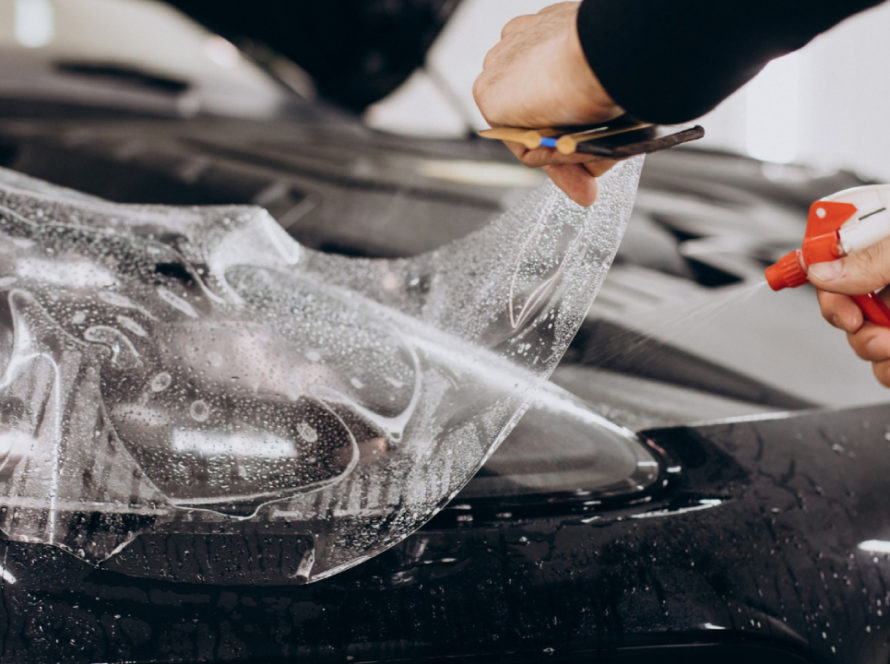
Before you spend money on paint protection film (PPF), a few insurance questions usually come up. You may wonder whether your premium will rise, whether you need to tell your insurer and whether insurance pays for the film if an accident damages a panel.
Installing PPF does not automatically increase your insurance premium. If you want the film itself insured, you may need extra cover that could cost more. Your insurer’s terms decide whether you need to declare the installation and what protection you can get.
This guide explains what that means for car owners in India.
Quick Summary
- Installing PPF does not automatically raise your premium or cancel your policy.
- Standard car insurance may not cover the cost of replacing paint protection film. Some insurers offer specific cover for it.
- Declaring PPF and insuring PPF are two different things. Ask your insurer about both before installation.
- Get any agreement on film cover in writing and check your updated policy documents.
- Keep your installation invoice showing your PPF cost, product details and warranty papers.
Table of Contents
- Does Installing PPF Affect Your Car Insurance?
- Will Installing PPF Increase Your Car Insurance Premium?
- Do You Need to Inform Your Insurer Before Installing PPF?
- What Happens If Your Car Gets Damaged After PPF Installation?
- What Should You Check Before Installing PPF?
- Final Thoughts
- Frequently Asked Questions
Does Installing PPF Affect Your Car Insurance?
PPF coating for cars is an aftermarket layer applied to painted surfaces to help protect them from stone chips, minor scratches and everyday wear. It does not change the engine or performance of the car.
Installing paint protection film does not automatically cancel your existing policy. However, do not assume that comprehensive insurance covers the film.
Two separate things matter here:
- Your car insurance: Your policy continues to cover eligible vehicle damage under its terms, conditions and exclusions.
- Your PPF coverage: Your standard policy may not include the cost of replacing aftermarket PPF. Some insurers offer specific cover for the film.
IRDAI explains that motor insurance premiums vary between insurers and that an endorsement can record policy changes. Its guidance also covers the basics of premiums and add-ons.
Will Installing PPF Increase Your Car Insurance Premium?
Not automatically. Your PPF cost and your insurance premium are separate expenses, and installing the film alone does not mean your existing premium will go up.
If you want to insure the film against damage, your insurer may offer specific cover at an extra cost. Availability, pricing and conditions vary by insurer.
Say you install PPF on your bonnet and front bumper and want insurance to pay for replacing the film after an eligible accident. Your insurer may ask for additional cover instead of treating the film as part of standard vehicle cover.
Before installing car PPF, ask your insurer whether:
- PPF installation affects your existing policy or premium.
- Your current policy or an add-on can cover the film.
- An additional premium applies if you want the film insured.
These answers help you separate the cost of your existing insurance from the possible cost of insuring your PPF.
Do You Need to Inform Your Insurer Before Installing PPF?
Check with your insurer before installation, particularly if you want the film itself covered.
Tell them you plan to install PPF, share the estimated installation cost if they ask and find out whether they need any documents or a policy endorsement. If your insurer agrees to cover the film, get written confirmation and check your updated policy documents.
Declaring PPF and insuring it are not the same thing. Your insurer may acknowledge the installation without agreeing to pay for its replacement.
If you have already installed PPF, contact your insurer to find out how your policy treats it and whether you can add cover.
What Happens If Your Car Gets Damaged After PPF Installation?
The outcome depends on the type of damage and what your policy covers. Two situations show the difference.
An Accident Damages the Car Panel and the PPF
Suppose another vehicle scrapes your front bumper and the damage needs repainting. The workshop removes the PPF before it repairs the panel.
Your insurer assesses the eligible vehicle damage under your policy.
However, the cost of fitting new PPF after the repair may not be covered unless your policy includes that benefit. You may have to bear the PPF cost for the replacement film and its installation yourself, even if the insurer approves the bodywork repair.
The PPF Is Damaged but the Paint Underneath Is Fine
A stone may cut the film without harming the paint. You might then need to replace only the affected section of PPF.
Do not assume your standard car insurance pays for this. Check whether your policy includes specific PPF cover and whether the incident meets its conditions. Terms differ from one insurer to another, so confirm the exact wording before you rely on it.
What Should You Check Before Installing PPF?
You do not need to complicate the process. Follow these three steps.
- Confirm your insurer’s requirements: Ask whether you need to declare the installation and whether it affects your existing policy.
- Keep your documents: Save the installation invoice, product details and warranty papers.
- Confirm extra cover in writing: If your insurer agrees to cover the film, check the policy schedule or endorsement for the exact terms.
When you compare PPF cost across different vehicles or coverage areas, remember that the installation price and the amount your insurer may reimburse are two different figures. The invoice shows what you paid but does not guarantee that the insurer covers the full amount.
Before you choose PPF coating for cars, weigh the installation cost alongside the film’s warranty and any insurance cover available.
Final Thoughts
Installing PPF does not automatically mean a higher premium or an invalid policy. What matters is whether your insurer needs you to declare the installation and whether you want the film itself covered against damage.
Once you know those two points, you can choose the right PPF coating for cars and your budget without guessing about your insurance.
Planning to protect your car’s paint? Explore Aegis Films’ car PPF options and speak with your insurer before installation so you know exactly what your policy covers.
Frequently Asked Questions
1. Does installing PPF void car insurance?
No, installing PPF does not automatically void your policy. Check your insurer’s requirements for aftermarket additions and follow any disclosure steps that apply.
2. Will PPF increase my insurance premium?
Not automatically. Your premium may change if you ask for extra cover for the film, but the exact terms and cost depend on your insurer.
3. Does zero-depreciation insurance cover PPF?
Do not assume it does. Zero-depreciation cover and PPF-specific cover are different benefits. Check your policy wording or ask your insurer whether PPF replacement is explicitly covered.
4. Can I claim insurance for scratched PPF?
Possibly, if your policy includes car PPF cover and the damage meets its conditions. Standard car insurance does not automatically cover replacement of aftermarket film.
5. Should I inform my insurer if I have already installed PPF?
Yes. Contact your insurer and ask whether you need to declare or record the installation. If you want the film covered, ask about additional cover and get the agreed terms in writing.