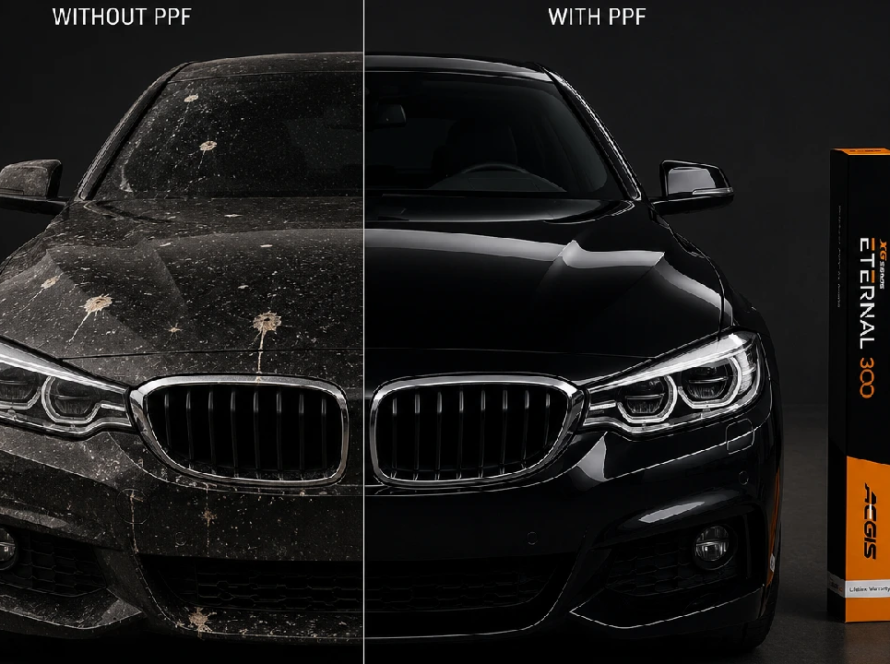
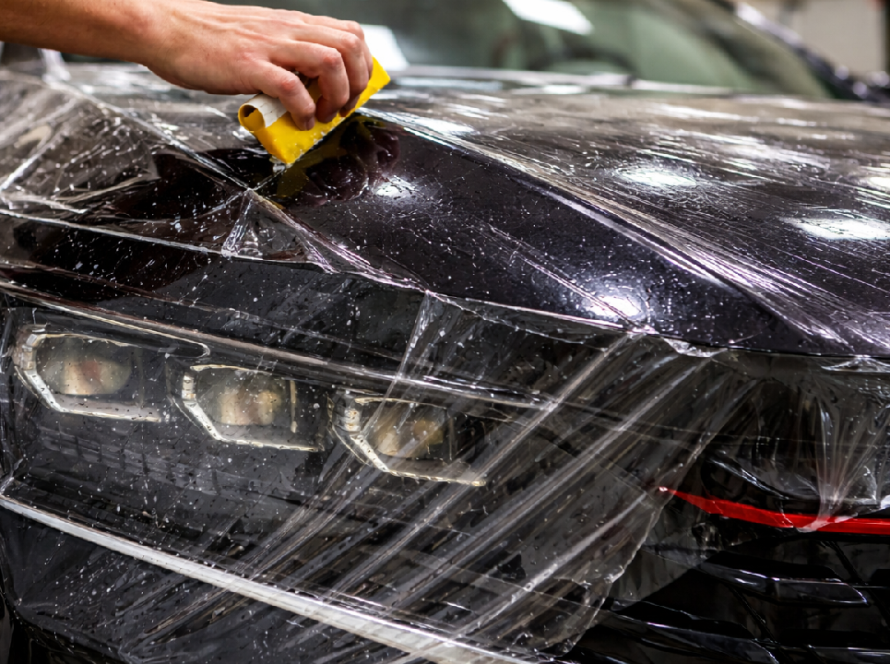
Yes, PPF coating for car protection is designed to help prevent stone chips and road debris from damaging your car’s paint. It works as a protective shield between the paint and external impacts, reducing the risk of direct damage from small stones, gravel and road debris.
But that is not all it protects against. A well-chosen Car PPF can also help protect your car’s paint from minor scratches, surface scuffs and other everyday wear. The level of protection depends on the film’s construction, the severity of the impact and the areas covered.
In this guide, we’ll explain what impacts PPF can help protect your car from, what makes the film strong enough to handle them and which parts of your car need protection the most.
Table of Contents
- How Paint Protection Film Protects Your Car From Impact Damage
- What Impacts Can a Paint Protection Film Help Protect Your Car From?
- Which Parts of Your Car Need PPF the Most?
- Can Stone Chips Still Damage Paint Under PPF?
- Does Self-Healing PPF Repair Stone Chips?
- Is PPF Worth It for Highway Driving?
- In The End
- Frequently Asked Questions
How Paint Protection Film Protects Your Car From Impact Damage
To be honest, not every PPF offers the same level of protection. The material, construction and quality of the film all influence how it performs when something like a stone chip hits your car.
A PPF coating’s flexible construction helps it absorb and distribute some of the force from minor impacts before it reaches the paint. This makes it useful against everyday road debris, although sharp stones and high-speed impacts can still damage the film or the paint underneath.
Aegis Films offers different car PPF options with varying specifications. Our premium Eternal range uses advanced construction technology designed to deliver durable paint protection.
The right option depends on your car, your driving conditions and the level of protection you want. Preserving the original paint can also help maintain your car’s appearance over time, which may support its resale value.
What Impacts Can a Paint Protection Film Help Protect Your Car From?
- Stone chips and gravel: Helps reduce paint damage from small stones thrown up by vehicles ahead.
- Road debris: Adds a protective layer against grit and other small particles that hit exposed panels.
- Minor scratches and scuffs: Helps protect the paint from some light surface damage, depending on the type and severity of contact.
- Bug splatter and road contaminants: Creates a barrier between the paint and contaminants that may affect the finish if left on the surface.
- Light surface marks: Certain films have self-healing properties that can help minor marks in the film’s top layer diminish under suitable conditions.
Paint Protection Film is not an indestructible shield. A severe impact, a sharp object or a deep cut can damage the film and may still affect the paint beneath it. Self-healing properties also do not repair deep cuts or restore paint that has chipped away.
Which Parts of Your Car Need PPF the Most?
Stone chips are more likely to affect surfaces directly exposed to debris thrown up by moving vehicles. If you are considering partial coverage, prioritise the areas most exposed to these impacts.
High priority
- Front bumper: Frequently exposed to stones and debris kicked up by vehicles ahead.
- Bonnet: Takes direct impacts from airborne debris, especially during highway driving.
- Front fenders: Can be affected by debris thrown outward from the front tyres.
- Side mirrors: Project outward and are exposed to passing debris and road grit.
Medium priority
- Headlights: Can be exposed to stone impacts and surface abrasion. Check that any film used is suitable for the specific lens and does not affect light output.
- A-pillars: The exposed pillars beside the windscreen can take impacts from airborne debris.
- Leading edge of the roof: May be exposed to debris that travels over the windscreen.
Additional coverage to consider
- Side skirts and lower doors: Useful areas to consider if you regularly drive on rough roads or routes with loose gravel.
- Rear wheel arches: Can be exposed to stones thrown up by the tyres.
The right coverage depends on your driving conditions and budget. A front-end package may be a practical starting point for a car that spends a lot of time on highways, while wider coverage protects more painted surfaces.
Can Stone Chips Still Damage Paint Under PPF?
Yes. PPF is designed to reduce the risk of stone-chip damage, not guarantee complete immunity.
The outcome depends on several factors:
- Impact speed: Faster-moving debris can deliver a more severe impact.
- Stone size and shape: A large or sharp stone can penetrate the film more easily than small, rounded debris.
- Film construction: Thickness, flexibility and overall product quality influence how the film responds to impact.
- Installation quality: Poorly fitted film, lifting edges or inadequate surface preparation can affect its performance.
- Coverage: Paint remains exposed wherever film has not been installed.
If a stone leaves a deep cut or puncture in the film, have the affected area inspected. The film may need repair or replacement, particularly if the paint underneath has also been damaged.
Does Self-Healing PPF Repair Stone Chips?
Not necessarily. Self-healing PPF is designed to help minor surface scratches and marks in its top layer diminish when exposed to suitable heat, depending on the product.
This does not mean that the film can repair every type of damage. A deep cut, puncture or impact that penetrates the film cannot be assumed to heal. Similarly, self-healing properties do not restore paint that has already chipped away.
If you notice a visible mark after a stone impact, have the film inspected rather than assuming it will disappear on its own.
Is PPF Worth It for Highway Driving?
PPF coating can be particularly useful for cars that regularly travel on highways, where tyres can throw up loose stones and grit at speed. It can also help preserve the finish of cars driven on routes with frequent construction, rough patches or loose road surfaces.
However, the decision depends on your priorities. If your car is mostly driven in urban conditions at lower speeds, you may prefer targeted coverage on high-impact areas rather than full-body installation. If you regularly cover long distances or want to preserve the factory paint across more panels, broader coverage may be worth considering.
Before choosing a package, compare the areas covered, product specifications, installation quality and warranty terms.
In The End
Yes, PPF can make a real difference to how well your car’s paint withstands everyday stone chips and road debris, particularly on exposed panels. But it is a protective layer, not an indestructible shield. The right film, suitable coverage and professional installation all contribute to the result.
Want to protect your car against everyday road damage? Explore Aegis Films’ Paint Protection Film options and speak to an expert about the coverage that suits your car and driving conditions.
Frequently Asked Questions
1. Can PPF prevent all stone chips?
No. PPF helps reduce the risk of stone-chip damage, but sufficiently sharp, large or fast-moving debris can damage the film and potentially the paint underneath.
2. Does PPF protect against gravel on Indian roads?
PPF can help protect covered panels against gravel and small stones encountered during everyday driving. However, protection depends on the impact and film specifications, so it cannot guarantee damage-free paint on every road.
3. Can I apply PPF after my car already has stone chips?
Yes, but existing damage should be assessed before installation. PPF does not repair missing paint or make existing chips disappear. Have significant damage repaired and the paint assessed before covering the panel.
4. Is full-body PPF necessary to prevent stone chips?
Not always. Front bumpers, bonnets, front fenders and side mirrors are useful priorities because they are exposed to road debris. Full-body coverage protects more painted surfaces, but the right choice depends on your driving habits and budget.
5. Does thicker PPF always offer better stone-chip protection?
Not necessarily. Thickness is one factor, but flexibility, film construction, product quality and installation also matter. Compare the manufacturer’s specifications rather than choosing a film based on thickness alone.