No doubt, PPF is a really worthy investment for your cars in India! Actually, we have seen that Indian car owners have a common misconception that PPF is just plastic and an unworthy expense to make. That is completely a “Dilemma”.
Every kilometre you drive in India is a small attack on your car’s paint. A truck up ahead kicks up a stone and there goes a chip on your bumper. And that’s just one of the dozen ways a drive can leave a mark on your car. Add in monsoon rain, scorching summer heat and the everyday chaos of Indian traffic; in all of it, your paint is fighting a losing battle.
This is why we call PPF (designed specifically for Indian road conditions) a wise investment. Paint protection film is a clear, thermoplastic urethane (TPU) layer that sits on top of your paint and cops the hit so your paint doesn’t have to. Well, in this quick guide, we will list the pros and cons of PPF before you make a decision.
Table of Contents
What Is Car PPF?
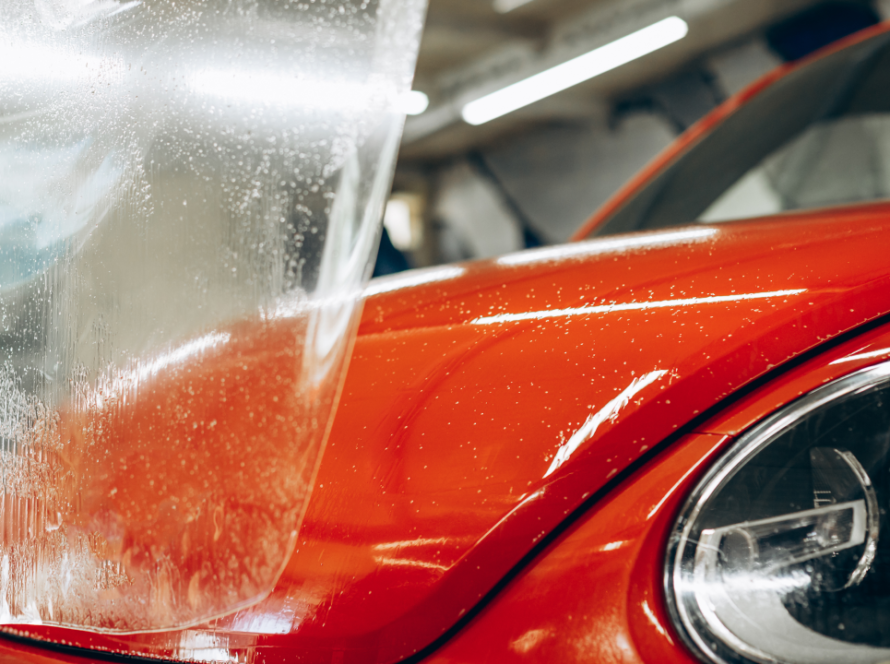
Paint protection film is a thin, transparent film made from thermoplastic polyurethane (TPU). A trained professional cuts it panel by panel, sprays a bonding solution, lays it down and pulls all the air and bubbles outwards. Once cured, you can barely tell it’s there.
Good car PPF stacks multiple layers: a base for absorbing impact, a UV-blocking layer underneath and a self-healing top coat. Aegis PPF goes further, combining polycarbonate-infused TPU with nanotechnology, built specifically to handle Indian heat and road grime.
Benefits of Paint Protection Film
Warm the film section by section with a heat gun, hair dryer or steamer until pliable. Lift a corner with a plastic tool, never metal and peel slowly at an angle under 45 degrees. Clean leftover adhesive with isopropyl alcohol or an adhesive remover, then wash and inspect the paint. Old, brittle or full-body paint protection film is safer left to a professional. But see, don’t just read it and start DIYing it because there will be consequences. So, please just take out 5 minutes and read it all
1. It stops rock chips before they happen
This is the big one. On Indian highways, stone chips are basically a given. A single chip repair runs ₹5,000 to ₹15,000. With PPF on, the film cops the impact and your paint stays untouched underneath. Plenty of owners say their film shows years of chip marks while the paint below is spotless.
2. It shields paint from heat, rain and grime
Indian summers genuinely don’t hold back. The India Meteorological Department regularly records peak summer temperatures past 40°C across major cities like Delhi, Ahmedabad and Nagpur and that kind of sustained heat speeds up paint fading and oxidation over time. Add acid rain during monsoon, salty coastal air and corrosive bird droppings and unprotected paint takes a beating fast. Car PPF absorbs that damage so your paint doesn’t have to.
3. Minor scratches heal themselves
This is one feature you don’t get from ceramic coating or wax. Premium car PPF has an elastic top layer that heals light swirl marks and fine scratches when it warms up, either from sunlight or warm water. Your panels stay looking sharp without you lifting a finger.
4. It protects your resale value
A car with flawless factory paint sells for noticeably more than one with chips, fading or visible touch-ups. Buyers notice paint condition immediately. PPF keeps that original finish intact, which often recovers a decent chunk of what you spent on it at resale.
5. It lasts longer than any other coating
Quality car PPF holds up for 5 to 10 years with proper care and most elite brands back that with a 5- to 8-year warranty against yellowing and peeling. Compare that to ceramic coating’s 2 to 5 years or wax that barely makes it past a few months. Spread across that timeline, the per-year cost stacks up well.
6. You can get it in different finishes
Clear gloss is standard, but matte and satin finishes are available too. Want a matte look without sacrificing protection? You can get both in one product.
Disadvantages of Paint Protection Film (Apart From the Cost)
#1 Installation quality makes or breaks it
Car PPF isn’t a DIY job and isn’t something you hand to just any workshop. A bad installer can ruin the good-quality PPF and you may notice edges peeling off or bubbles after installation. That’s why brands like Aegis Films control the quality of installation by making it available only at CarzSpa detailing studios
You May Also Like: 6 Common PPF Mistakes That Are Slowly Ruining Your Car
#2 You might notice texture or edges
Paint protection film normally runs 150 to 200 microns thick. On light-colored cars, you might spot a faint texture or thin edge line where the film ends. A good installer like the team at CarzSpa hides this on curves, so it’s far less obvious on darker finishes, but it’s worth knowing about.
#3 Cheap films yellow over time
Budget TPUs can start discolouring within 2 to 3 years when exposed to sunlight under Indian weather conditions. If that yellowing adheres to your paint before you remove the film, it leaves a permanent mark. Films with proper anti-yellowing coatings handle this much better, which is why film quality matters more than price alone. Most installers suggest replacing PPF around the five-year mark; for more, see how long paint protection film actually lasts.
#4 Washing needs a bit more care
PPF’s surface is softer than your factory clear coat. Automatic car washes with rotating brushes will scratch it up. A dirty wash mitt leaves swirl marks. You’ve got to hand wash with pH-neutral soap and soft microfiber, rinse before wiping and skip anything abrasive.
Also Read: 5 Products You Should NEVER Use on a PPF-Coated Car for the full list.
#5 Serious damage means replacing, not repairing
A deep gouge or burn mark in a paint protection film means that section of film has to come off and get replaced. Minor scratches self-heal, but anything serious is permanent until you swap the panel section out.
PPF vs. Ceramic Coating vs. Car Repaint: Which One Suits You?
| Protection | AEGIS PPF Only | Ceramic Coating Only | Car Repaint Only |
|---|---|---|---|
| Stone chips | Excellent | No | No |
| Minor scratches | Excellent (self-healing films) | Very limited | Fixes existing, not future |
| Road debris | Excellent | No | No |
| Bird droppings | Good | Good | No |
| Tree sap | Good | Good | No |
| UV protection | Yes | Yes | No |
| Water beading | Moderate | Excellent | No |
| Easier washing | Good | Excellent | No |
| Gloss | Very good | Excellent | Excellent, right after |
So, is PPF alone enough?
For most car owners, yes, if you choose AEGIS PPF.
If your priority is protecting your paint from stone chips, scratches, gravel and daily driving damage (the kind Indian roads dish out constantly), PPF does the job very well. These are exactly the types of damage ceramic coating and a repaint alone cannot prevent. A repaint only brings damaged paint back to showroom condition. It doesn’t stop the next chip or scratch from happening.
Always remember, a repaint isn’t a one-and-done fix either. Freshly painted panels still need careful washing and regular upkeep, the same as PPF-covered ones do. So really, you’re choosing between two paths: repaint alone, which still demands ongoing care and will likely need touch-ups again in a few years or repaint with PPF on top, which needs that same care but protects the finish far longer.
When does combining both make sense?
Applying ceramic coating over PPF is worth considering if you:
- Want maximum water beading
- Prefer the easiest possible maintenance
- Drive frequently in areas with heavy rain, dust or pollution
Is PPF Worth It for Indian Roads?
It’s a worthy investment if:
- Your car’s worth ₹10 lakhs or more
- You’re planning to keep it for 5+ years
- You drive a lot on highways or in heavy city traffic
- Stone chips and scratches have been an ongoing headache
- Resale value actually matters to you
Worth reconsidering if:
- Your car’s under ₹8 lakhs and you’ll likely sell it within 2 to 3 years
- You barely drive on highways
- The budget’s genuinely tight right now
If you’ve just picked up a new car, the best time to get PPF on is straight after delivery, while the factory paint’s still in showroom condition. Wait too long and you’re protecting paint that’s already taken a few hits.
Also Read: Is PPF Worth It for Daily-Use Cars in India?
How to Choose the Right Paint Protection Film
#1 Film quality is the first thing to check
Go for TPU films with UV-blocking layers, self-healing properties and proper anti-yellowing protection. For Indian heat specifically, polycarbonate-infused TPU outperforms standard TPU alone, which is why Aegis engineered its films this way.
#2 Installer skill is just as important as the film quality.
Before you commit, ask:
- How many PPF installations have they actually completed?
- Can they show photos of work from 2 to 3 years ago that still hold up?
- How do they handle edge finishing on curved panels?
- How long does a full install take? Quality work takes 1 to 3 days, not a few hours.
- What does their installation warranty actually cover?
#3 Warranty length tells you something.
Reputable brands back their film with 5 to 8-year warranties against yellowing and peeling. Our XG series comes with a lifetime warranty and it’s the toughest PPF in India. A short warranty usually means the brand doesn’t trust its own product to last.
Quick PPF Care Guide
- Hand wash only, with pH-neutral soap and a soft microfibre mitt
- Skip automatic car washes with rotating brushes entirely
- Keep pressure washers away from film edges
- Warm water or direct sun speeds up self-healing on minor scratches
- Check edges every few months and flag any lifting to your installer early
Heading into the rains? Our PPF care guide for monsoon season covers what changes when it’s bucketing down
Bringing It All Together
Paint protection film is the most effective physical protection for car paint on Indian roads. It handles the damage that actually matters: chips, scratches and environmental wear and it outlasts every other coating option by a fair margin. The trade-offs are real too: it costs a fair bit upfront, the installer’s skill makes or breaks the result and you’ve got to be a bit more careful with how you wash it.
For the right car and owner, it’s not just worth it. It’s one of the smartest long-term calls you can make for your vehicle.
Get Aegis PPF exclusively at Carzspa. Find your nearest CarzSpa studio and we’ll help you sort the right coverage for your situation.
FAQs
1. Is PPF good for Indian roads?
Yes, it’s built for exactly this environment, handling stone chips from highway debris, intense summer heat past 40°C, monsoon acid rain and constant traffic wear that standard paint can’t withstand alone.
2. Should I get PPF on a new car?
Yes, ideally right after delivery while the factory paint is still in showroom condition. Waiting means you’re protecting paint that’s already absorbed some hits.
3. Does PPF damage paint?
No, PPF protects paint rather than damaging it. It absorbs impacts, UV rays and environmental damage that would otherwise hit your factory paint directly, keeping the original finish intact underneath.
4. What are the disadvantages of PPF?
Installation quality is critical because poor work causes bubbles or lifting. You may notice texture on light cars, cheap films yellow over time, washing needs extra care and serious damage on PPF requires replacement, not repair.
5. PPF or ceramic coating: which one is best for my car?
PPF excels at stone chips, scratches and road debris; ceramic coating wins on water beading and gloss. For Indian roads, PPF alone covers most damage; combining both maximizes protection and ease of maintenance.